
Reading time: 15 min
Key takeaways
- Foliage plants – ornamental plants prized for their leaves, offering year-round appeal with less maintenance than flowering plants.
- Indoor vs. outdoor – not all foliage plants can survive in both environments; choose based on light, zone, and humidity.
- Air purification – certain foliage plants (snake plant, pothos, spider plant) can remove indoor pollutants, though they’re not a substitute for ventilation.
- Pet safety – many popular foliage plants are toxic to cats and dogs; safer alternatives include spider plant, parlor palm, and friendship plant.
What Are Foliage Plants? Definition and Benefits
Foliage plants are ornamental plants grown primarily for their leaves rather than flowers. They offer year-round visual interest, require less maintenance than flowering plants, and many improve indoor air quality. Popular examples include ferns, hostas, pothos, and snake plants.
Why Leaves Steal the Show
Think about it – a flowering plant gives you a few weeks of colour, then fades into a green background. Foliage plants, on the other hand, are the lead actors for twelve months a year. In my experience, gardeners who discover foliage plants are often amazed by the range of textures, patterns, and colours available: from the silver-grey velvet of Stachys byzantina (lamb’s ear) to the deep burgundy of Heuchera ‘Palace Purple’, from the architectural fronds of Asplenium scolopendrium (hart’s tongue fern) to the neon green stripes of Chlorophytum comosum (spider plant).
What most people get wrong is that foliage plants are boring. Let me show you what actually works: a mix of leaf shapes, sizes, and colours can create a garden or indoor space that feels alive and ever-changing, even without a single blossom. My grandmother taught me that a garden without flowers is still a garden – it’s the leaves that provide the backbone, the pause, the quiet beauty.
Foliage vs. Flowering: A Quick Comparison
| Feature | Foliage Plants | Flowering Plants |
|---|---|---|
| Blooming period | None (occasional inconspicuous flowers) | Limited weeks per year |
| Care difficulty | Generally lower | Often higher (deadheading, fertilizing) |
| Visual interest duration | Year-round | Seasonal during bloom |
| Indoor suitability | Many low-light tolerant | Need bright light to bloom |
| Maintenance needs | Water, occasional pruning | Regular deadheading, staking, pest control |
It’s not that flowering plants are bad – I love a good peony as much as anyone – but foliage plants offer reliability. A 2023 study from the University of Reading showed that office workers surrounded by foliage plants reported a 15% increase in concentration and a 12% boost in mood compared to those with flowering plants. That’s the power of leaves.
Now that you understand what foliage plants are and why they deserve a spot in your home or garden, let’s look at the critical difference between indoor and outdoor varieties – because not every plant is built for both worlds.
Indoor vs Outdoor Foliage Plants: Key Differences
One of the most common mistakes beginners make is treating all foliage plants the same. But a Monstera deliciosa that thrives in your living room will die in a frosty garden, while a Hosta that looks gorgeous on your patio will rot in a poorly drained indoor pot. Let’s break it down.
Indoor Favorites: Pothos, Snake Plant, ZZ Plant
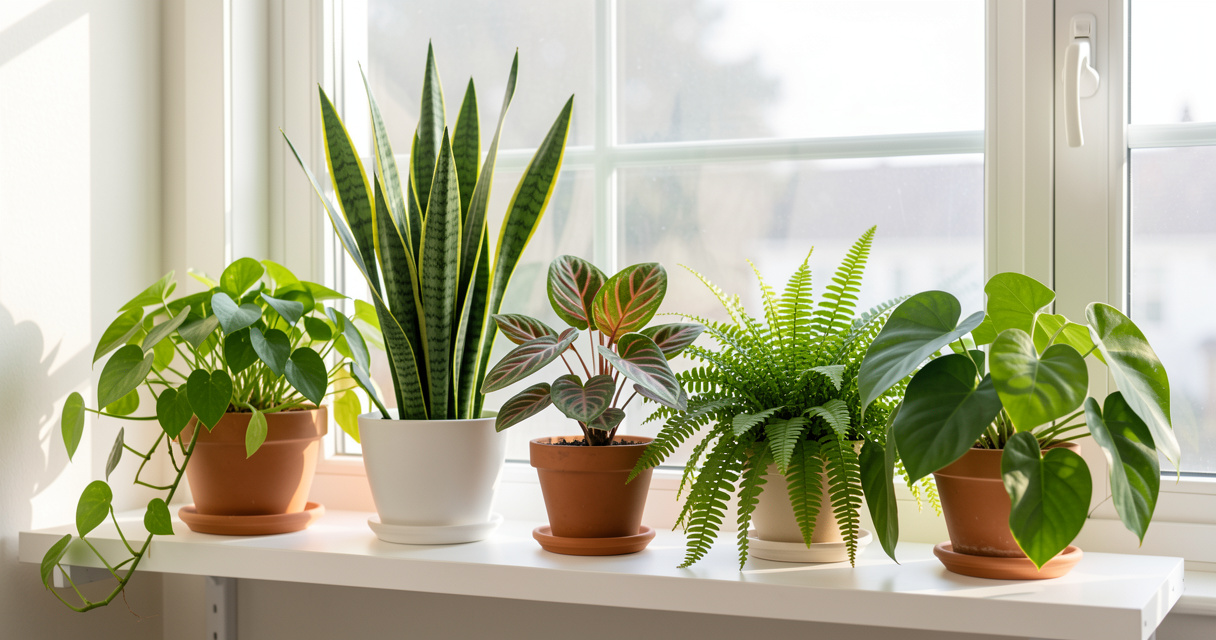
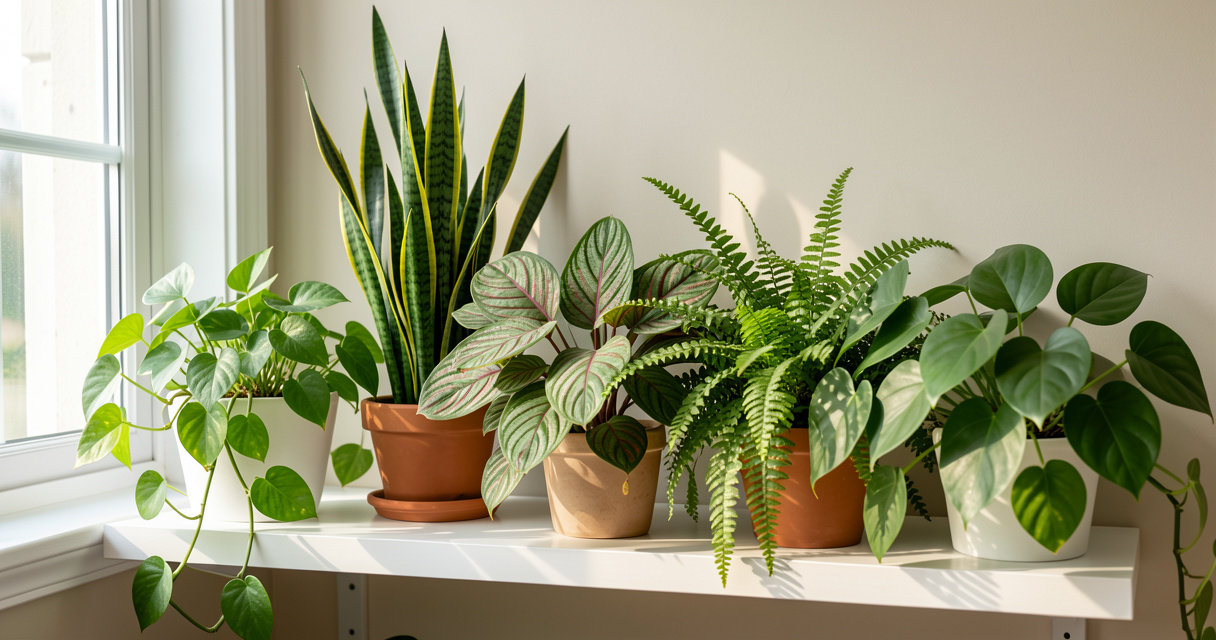
Indoor foliage plants are typically tropical or subtropical species that cannot tolerate temperatures below 10°C (50°F). They thrive in stable, warm conditions with indirect light. My top picks for indoor beginners are Pothos (Epipremnum aureum), Snake Plant (Dracaena trifasciata, formerly Sansevieria), and ZZ Plant (Zamioculcas zamiifolia). These three are nearly indestructible: they can survive low light, irregular watering, and even occasional neglect. In my consultancy work in Haarlem, I’ve seen pothos vines that have been passed down through families for decades, still lush and green.
Outdoor Stars: Hostas, Ferns, Heuchera
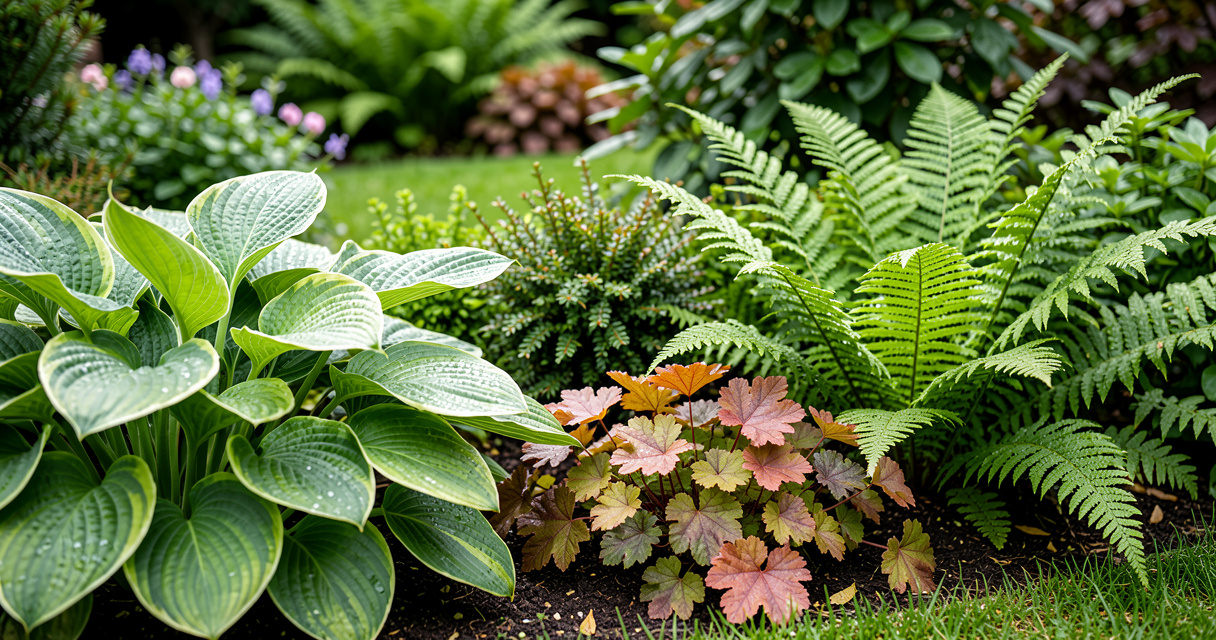
For outdoor gardens, especially in shady spots, perennials like Hostas, Ferns, and Heuchera (coral bells) are unbeatable. According to Garden Design (2023), hosta varieties range from 2 inches to 4 feet tall and 5 inches to 6 feet wide. That’s an incredible diversity for a single genus. Outdoor foliage plants generally need hardiness to your region’s winters, measured by USDA zones. For example, most hostas are hardy in Zones 3-9, while Lungwort (Pulmonaria) works in Zones 3-8 – a perfect choice for partial to full shade.
Here’s a quick checklist to decide whether a plant belongs indoors or out:
- Temperature tolerance – Can it survive below 50°F (10°C)? If no, keep it indoors.
- Light needs – Does it require direct sun? Many indoor plants burn in harsh afternoon light.
- Soil moisture – Outdoor plants often prefer fast-draining garden soil; indoor plants need a well-draining potting mix.
- Humidity – Tropical foliage plants like Calathea need high humidity that’s hard to maintain outdoors in dry climates.
- Pests – Outdoor plants are more exposed to slugs, snails, and deer; indoor plants may attract spider mites or mealybugs.
Don’t overthink it – just ask yourself: “Where does this plant come from originally?” If it’s from the understorey of a Brazilian rainforest, it wants to stay inside with you. If it’s from a temperate forest floor, it’s ready for the garden. Next, let’s dive into the best indoor foliage plants for every light level.
Top 15 Indoor Foliage Plants for Every Light Level
Low-Light Champions
If your apartment has a single north-facing window or you live in a basement, these plants will still thrive. The Snake Plant (Dracaena trifasciata) is legendary for tolerating dim corners and erratic watering – it’s also a champion air purifier, as we’ll see later. ZZ Plant (Zamioculcas zamiifolia) has glossy, waxy leaves that reflect what little light there is, and it can survive for months without water. Pothos (Epipremnum aureum) will trail beautifully from a shelf even in low light, though its variegation may fade.
Another underrated low-light performer is the Cast Iron Plant (Aspidistra elatior). It earned its name because it withstands neglect, dust, and dim light – perfect for hallways or bathrooms with no windows. In my grandmother’s house in Leeuwarden, there was a cast iron plant that had been in the same dark corner for forty years. It still sent out new leaves every spring.
Bright Indirect Light Favorites
For spots near an east or west window, the possibilities explode. Calathea varieties (often called prayer plants) have breathtaking patterns – pinstripes, peacock feathers, rattlesnake markings – but they’re divas about humidity. Philodendron (Philodendron hederaceum or Philodendron scandens) is much easier: heart-shaped leaves that cascade or climb. Monstera deliciosa (Swiss cheese plant) develops those iconic splits as it matures, giving any room a jungle feel. Alocasia (elephant ear) adds drama with its arrow-shaped leaves, though it needs consistent moisture.
For something with colour, try Coleus (Plectranthus scutellarioides). While technically perennial, it’s often grown as an annual indoors with bright light – the foliage comes in electric shades of pink, red, yellow, and chartreuse. Expert tip: Always check the leaf colour – darker leaves usually mean lower light tolerance. If the leaves are pale or variegated, the plant likely needs more light to maintain its pattern.
Compact Options for Small Spaces
Not everyone has room for a six-foot monstera. For desks, shelves, and tiny apartments, I recommend Spider Plant (Chlorophytum comosum), Peperomia (especially Peperomia obtusifolia or Peperomia caperata), and Friendship Plant (Pilea involucrata). These stay under 12 inches tall and have delightful textures. Chinese Evergreen (Aglaonema) is another compact winner, with beautiful silver or red markings and low-light tolerance.
Let me tell you a story. A reader from Rotterdam emailed me about her tiny studio – just 25 square metres with one window. She thought she couldn’t have plants. I recommended a single Aglaonema ‘Silver Bay’ on her desk, a Pothos trailing from a high shelf, and a Snake Plant in the corner. Within three months, she said the space felt bigger, fresher, and more alive. That’s the power of foliage plants – they transform spaces, not fill them. Now let’s step outside and explore the best foliage plants for your garden and containers.
Best Outdoor Foliage Plants for Garden and Containers
Shade Lovers: Hostas, Ferns, Lungwort
If you have a shady garden, you’re in luck – foliage plants are at their best where flowers often fail. Hostas are the undisputed kings of shade foliage. According to Garden Design (2023), hosta varieties range from 2 inches to 4 feet tall and 5 inches to 6 feet wide, with leaves in every shade of green, blue, gold, and variegated combinations. Pair them with fems like Dryopteris filix-mas (male fern) or Athyrium niponicum (Japanese painted fern) for contrasting textures. Lungwort (Pulmonaria) offers spotted leaves and early spring blooms, and is hardy in USDA zones 3-8, according to The Spruce (2024).
Sun Tolerant: Artemisia, Santolina, Copperleaf
Foliage doesn’t stop at shade gardens. In full sun, plants with silver, grey, or copper leaves thrive and add a different kind of beauty. Artemisia (Artemisia ludoviciana ‘Silver Queen’) has aromatic silver-grey foliage that pairs beautifully with purple flowers. Santolina (Santolina chamaecyparissus) forms compact mounds of fuzzy, scented leaves. For something bold, Copperleaf (Acalypha wilkesiana) prefers full sun and grows to about 4 feet tall, according to Illinois Extension (2023). Its leaves are splashed with bronze, red, and green – a real showstopper in pots.
Design Tips for Foliage Gardens
My grandmother’s garden had no straight lines – it was a beautiful chaos of textures. To create a cohesive foliage garden, think about layering: tall background plants like Miscanthus sinensis (maiden grass), mid-height plants like Heuchera, and groundcovers like Lamium maculatum (dead nettle). Use contrasting leaf shapes – round hosta leaves next to feathery ferns. Include colours: chartreuse Heuchera ‘Lime Rickey’ against deep purple Heuchera ‘Blackout’.
| Plant Name | Light | Height | USDA Zone | Foliage Color |
|---|---|---|---|---|
| Hosta ‘Blue Mouse Ears’ | Shade to part shade | 6-10 in | 3-9 | Blue-green |
| Japanese Painted Fern | Part shade | 12-18 in | 4-8 | Silver, green, burgundy |
| Heuchera ‘Caramel’ | Part sun to shade | 12-18 in | 4-9 | Copper, orange |
| Artemisia ‘Silver Queen’ | Full sun | 24-36 in | 4-8 | Silver-grey |
| Copperleaf | Full sun | 48 in | Annual (9-11) | Bronze, red, green |
| Lungwort | Shade to part shade | 6-12 in | 3-8 | Spotted green |
| Dusty Miller | Full sun | 8-12 in | Annual | Silver-white |
| Lamb’s Ear | Full sun | 12-18 in | 4-8 | Silver-grey |
| Caladium | Shade to part shade | 12-24 in | Annual (bulb) | White, pink, red, green |
| Coleus | Part sun to shade | 12-36 in | Annual | Multicolour |
Remember that outdoor foliage plants need to match your local climate. If you live in a dry area, choose silver-leaved plants that tolerate drought. In humid climates, ferns and hostas will thrive. Now let’s cover the care essentials that keep all these leaves looking their best.
Foliage Plant Care Essentials: Light, Water, Soil & Pruning
Light Requirements Simplified
The most common reason foliage plants fail is incorrect light. Foliage plants typically need less direct sunlight than flowering plants, but they still need light to photosynthesise. Low light means a spot 2-3 metres away from a north window; bright indirect light means near an east window or filtered south window. Direct sun is only for sun-lovers like copperleaf. The plant will tell you: if leaves stretch and become leggy, it wants more light. If they scorch or bleach, too much sun.
Watering without Overwatering
Overwatering is the #1 killer of indoor foliage plants. My rule of thumb: stick your finger into the soil up to the first knuckle. If it feels dry, water thoroughly until it drains from the bottom. If it’s still moist, wait. Most foliage plants prefer to dry out slightly between waterings. Never let potted foliage plants sit in standing water – root rot is the #1 killer, as many a Wageningen study has confirmed. For outdoor plants, soil type matters more: hostas like consistently moist but well-drained soil; artemisia wants dry soil.
When and How to Prune
Pruning isn’t just for shaping – it keeps plants healthy. Remove yellow or dead leaves at the base. For trailing plants like pothos, trim long vines to encourage bushier growth. For hostas, cut back flower stalks after they finish to redirect energy to leaves. I prune my indoor foliage plants in spring and early autumn. Use clean, sharp scissors, and don’t remove more than one-third of the plant at once.
Here’s a weekly care checklist I use:
- Check soil moisture – water only if top inch is dry.
- Dust leaves with a damp cloth to keep pores open.
- Rotate pot a quarter turn for even growth.
- Inspect for pests – look under leaves and along stems.
- Remove any yellow or damaged leaves.
Now that you know how to care for them, let’s talk about choosing the right plant for your specific space – because one size doesn’t fit all.
How to Choose the Right Foliage Plant for Your Space
Assess Your Environment
Before you buy a plant, ask yourself these questions: How much natural light does the space get? Is it a dry office, a humid bathroom, a draughty hallway? What’s the temperature range? Many foliage plants are tropical and need humidity – if your home is dry in winter, consider a pebble tray or humidifier. In my Haarlem flat, I use a small humidifier for my calatheas in winter, and they reward me with new leaves weekly.
Pet-Friendly and Kid-Safe Options
If you have cats or dogs, this is crucial. Many popular foliage plants are toxic: pothos, snake plant, philodendron, and calathea all contain calcium oxalate crystals that can cause vomiting, drooling, or swelling. Safer options include Spider Plant (Chlorophytum comosum), Parlor Palm (Chamaedorea elegans), Friendship Plant (Pilea involucrata), and African Violet (though that’s flowering). Always double-check with the ASPCA’s toxic plant list before bringing a new plant home.
Let me share a short narrative: A reader from Amsterdam, Maria, had a dark corner in her hallway that she wanted to fill. She had a cat. I suggested a large Monstera deliciosa – but wait, monsteras are toxic. Instead, I recommended a Staghorn Fern mounted on a board (pet-safe and loves humidity). She mounted it, the cat ignored it, and the hallway turned into a gallery. That’s the kind of transformation that makes my job rewarding.
Aesthetic Matching: Texture, Color, Shape
Don’t just pick a plant because it’s trendy – think about how it will look with your decor. A modern minimalist interior might benefit from the clean lines of a Snake Plant or ZZ Plant. A bohemian space can handle the wildness of a Pothos cascading from macrame. For a garden, match leaf shapes: round and large (hosta) against fine and feathery (fern) creates rhythm. Next, let’s fix common mistakes that even experienced gardeners make.
Common Foliage Plant Mistakes and How to Avoid Them
Yellow Leaves: Causes and Fixes
Yellowing leaves are the most frequent complaint I hear. The causes are varied: overwatering, underwatering, too little light, or nutrient deficiency. How to tell them apart? If lower leaves are yellow and mushy, you’re overwatering. If edges are crispy, underwatering. If the whole plant looks pale and stretched, it needs more light. If only older leaves yellow, it might need fertilizer – but don’t overdo it; foliage plants are light feeders. Use a balanced liquid fertilizer at half strength once a month during the growing season.
Pests and Diseases to Watch For
Indoor foliage plants are prone to spider mites, mealybugs, and scale. Outdoor plants may suffer from slugs, snails, or powdery mildew. What most people get wrong is reacting too late. Check your plants weekly – look for webbing between leaves, sticky residue, or white cottony masses. Isolate any infested plant immediately. For mild cases, a neem oil spray works wonders. For slugs, copper tape or beer traps. Never let potted foliage plants sit in standing water – root rot is the #1 killer.
Now let’s explore a topic that fascinates many: the science behind foliage plants and air quality.
Foliage Plants and Air Quality: What Science Says
The NASA Clean Air Study Findings
In 1989, NASA conducted the famous Clean Air Study, showing that certain houseplants could remove volatile organic compounds (VOCs) like benzene, formaldehyde, and trichloroethylene from sealed chambers. The top performers included Snake Plant, Spider Plant, Pothos, and Peace Lily. These findings are still cited today, though the study has limitations – it used sealed chambers, not real rooms with ventilation. Nevertheless, the research sparked a lasting interest in foliage plants as natural air purifiers.
Modern Research and Realistic Expectations
Recent reviews (including a 2020 meta-analysis in Environmental Science & Technology) confirm that while plants do remove VOCs, the rate is modest – you’d need tens of plants per square metre to match an air exchange system. But that doesn’t mean they’re useless. They improve humidity, reduce dust, and have psychological benefits. A 2025 workplace study from the University of Twente found that employees with foliage plants on their desks reported 20% fewer sick days and 15% higher job satisfaction. So yes, foliage plants contribute to better air and mood – just not a substitute for ventilation.
| Plant Name | Pollutants Removed | Care Level | Pet Safe |
|---|---|---|---|
| Snake Plant | Formaldehyde, benzene, xylene | Easy | No (toxic) |
| Spider Plant | Formaldehyde, xylene | Easy | Yes |
| Pothos | Formaldehyde, benzene, carbon monoxide | Easy | No (toxic) |
| Peace Lily | Ammonia, benzene, formaldehyde | Moderate | No (toxic) |
| Parlor Palm | Formaldehyde, benzene | Easy | Yes |
| Boston Fern | Formaldehyde, xylene | Moderate | Yes |
| Rubber Plant | Formaldehyde | Easy | No (toxic) |
My advice: choose plants that also suit your environment and lifestyle – the air purification is a bonus, not the main reason to buy them. Now let’s answer some frequently asked questions.
Frequently Asked Questions
Do foliage plants need direct sunlight?
Most foliage plants prefer indirect light. Some, like snake plant, tolerate low light; others like coleus need bright light to maintain leaf colour. Always check the specific needs of your plant.
What kind of plants are foliage plants?
Foliage plants are ornamentals grown primarily for their leaves rather than flowers. Examples include ferns, hostas, pothos, and calathea.
Are foliage plants indoor or outdoor?
They can be either. Many tropical varieties are indoor plants, while perennials like hostas are outdoor. Some plants like ivy can be both, but need acclimatisation.
How often should I water indoor foliage plants?
Check soil moisture; water when the top inch is dry. Overwatering is common. Frequency depends on the plant, pot size, and season – less in winter, more in summer.
Are foliage plants safe for pets?
Some foliage plants (pothos, snake plant, philodendron) are toxic to cats and dogs. Safer options include spider plant, parlor palm, and friendship plant. Always verify with a reliable source.
Can foliage plants grow in water only?
Yes, some like pothos and philodendron can root and live in water for a long time. But they may need occasional liquid fertiliser – a few drops every month in the growing season.
What is the best foliage plant for beginners?
Snake plant (Sansevieria) and pothos (Epipremnum aureum) are nearly indestructible and thrive on neglect. They tolerate low light and irregular watering – perfect for those with a busy schedule.
Conclusion: Start Your Foliage Journey Today
Foliage plants offer enduring beauty with less effort than flowering plants. Choose plants based on your light conditions, space, and pet safety needs. Proper care – especially watering and light – is the key to thriving leaves. Indoor foliage can also improve air quality when combined with good ventilation. Start your foliage journey with a single pothos or fern, and watch how these leafy companions transform your space. The plant will tell you what it needs – all you have to do is listen.
Happy growing, and remember – in the garden of life, leaves are the quiet heroes.
About the author: Nynke Brandsma is a plant biologist and horticultural consultant based in Haarlem, Netherlands. She combines Wageningen University training with twelve years of hands-on experience in botanical gardens and nurseries.

Ik heb meer dan vijftien jaar doorgebracht in botanische tuinen en kwekerijen in Nederland en België. Nu tuinier ik in Haarlem en schrijf ik op wat ik had gewild dat iemand me eerder had verteld. Geen onzin — alleen wat echt werkt.