
Reading time: 15 min
Key Takeaways
- Shade plants are not boring — many produce stunning flowers and vibrant foliage, turning dark corners into lush retreats.
- Low-maintenance doesn’t mean no care — hostas, ferns, and hellebores need minimal watering and fertilizing, but proper soil preparation is key.
- Match plants to shade type — deep shade, dappled shade, and partial shade require different selections for success.
- Native shade plants reduce effort — choosing regionally adapted species supports local wildlife and lowers water needs.
What Exactly Are Shade Plants?
Think a shady garden has to be boring? Think again! Many gardeners struggle to find plants that thrive in low light and assume shade means empty, dull spaces. This guide introduces you to a world of vibrant, low-maintenance shade plants that turn dark corners into lush retreats. In my experience, the right selection makes all the difference — and it’s far simpler than most people think.
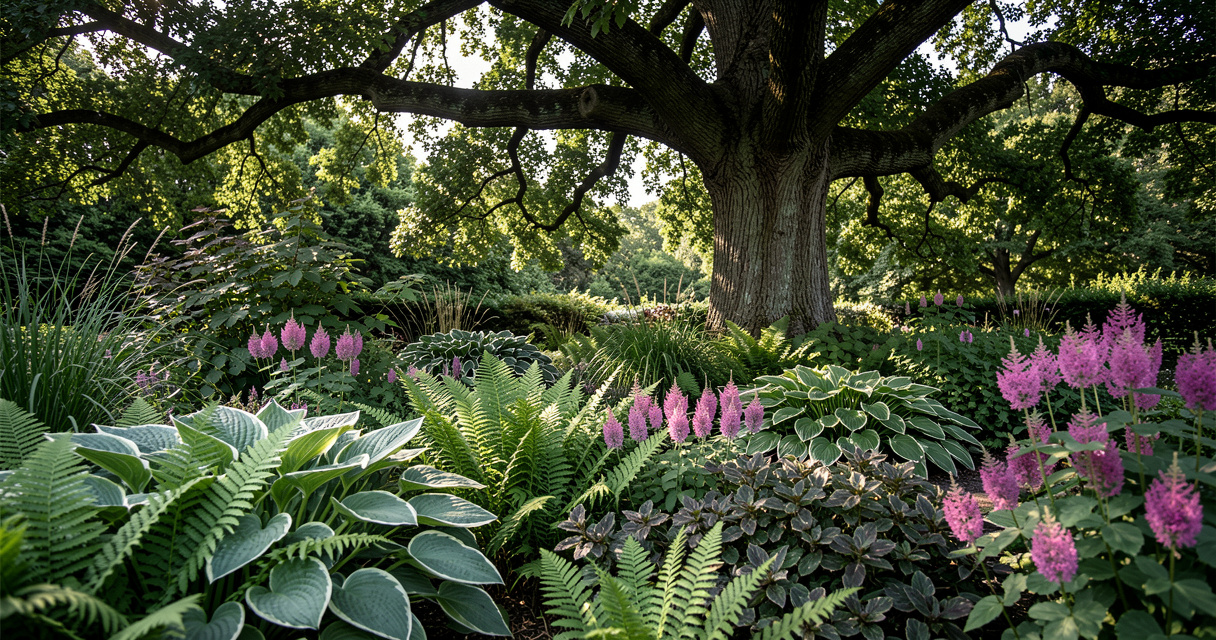
Shade plants are simply those that tolerate limited direct sunlight. Most are native to moist woodlands or forest understories, where they’ve evolved to capture dappled light. But modern breeding has produced dozens of varieties with colorful blooms and striking foliage that rival any sun-loving perennial. Shade tolerant plants are not an afterthought; they are the backbone of a well-designed garden.
Types of Shade: Deep, Dappled, Partial
Understanding your light situation is the first step. Here’s a quick guide:
| Shade Type | Light Hours | Examples of Suitable Plants |
|---|---|---|
| Deep shade | 0-3 hours of direct sun per day | Hosta sieboldiana, Dryopteris ferns, Pachysandra |
| Dappled shade | Filtered light under trees, typically 2-4 hours | Heuchera, Tiarella, Japanese painted fern |
| Partial shade | 3-6 hours of direct sun (often morning sun) | Astilbe, bleeding heart, columbine |
Don’t overthink it. Mark the sunniest spot in your shade area at 10 a.m. and again at 2 p.m. — that tells you everything.
Myth: All Shade Plants Are Green Leafy
What most people get wrong is believing shade equals only foliage. Let me show you what actually works: plants like hellebores and astilbe produce spectacular flowers in low light, while heuchera offers leaves in shades of bronze, lime, and burgundy. A well-chosen shade garden can be more colorful than a sun-drenched border — and requires far less watering.
Now that we understand shade types, let’s meet the easiest performers.
10 Low-Maintenance Shade Plants That Thrive on Neglect
Inspired by a popular YouTube video from April 2026, I’ve expanded the list of virtually unkillable shade plants. These are the ones that return bigger each year with almost no intervention. Low maintenance shade plants are a reality — here are my top picks:
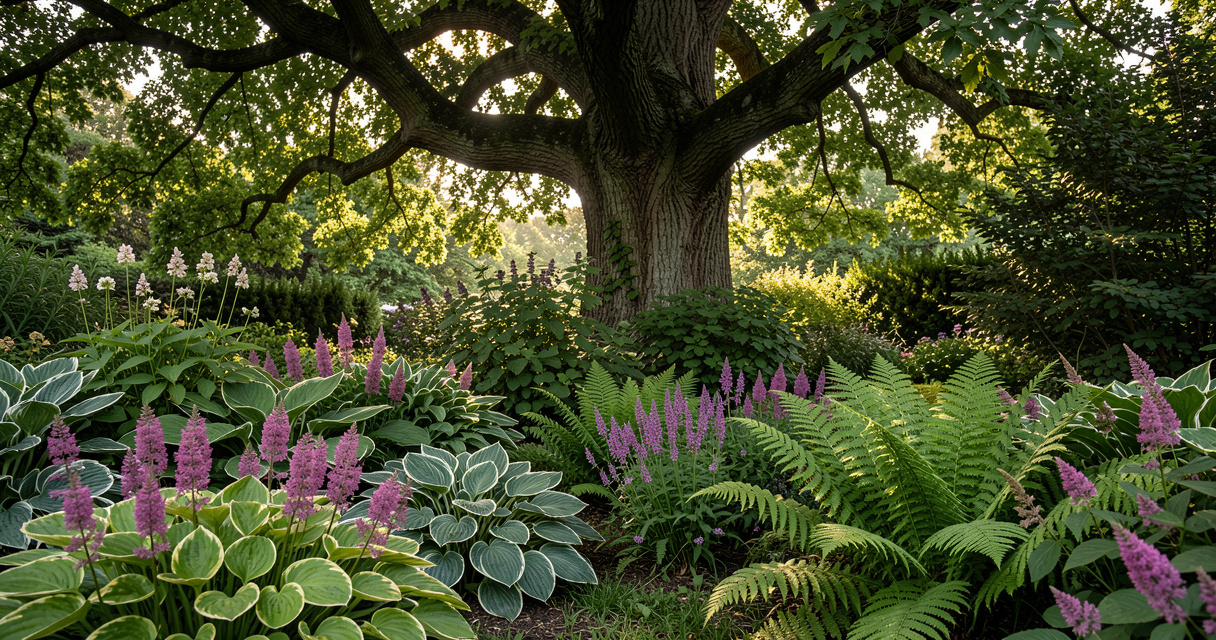
- Hostas – come back larger every season
- Ferns – lush fronds, zero flowers to deadhead
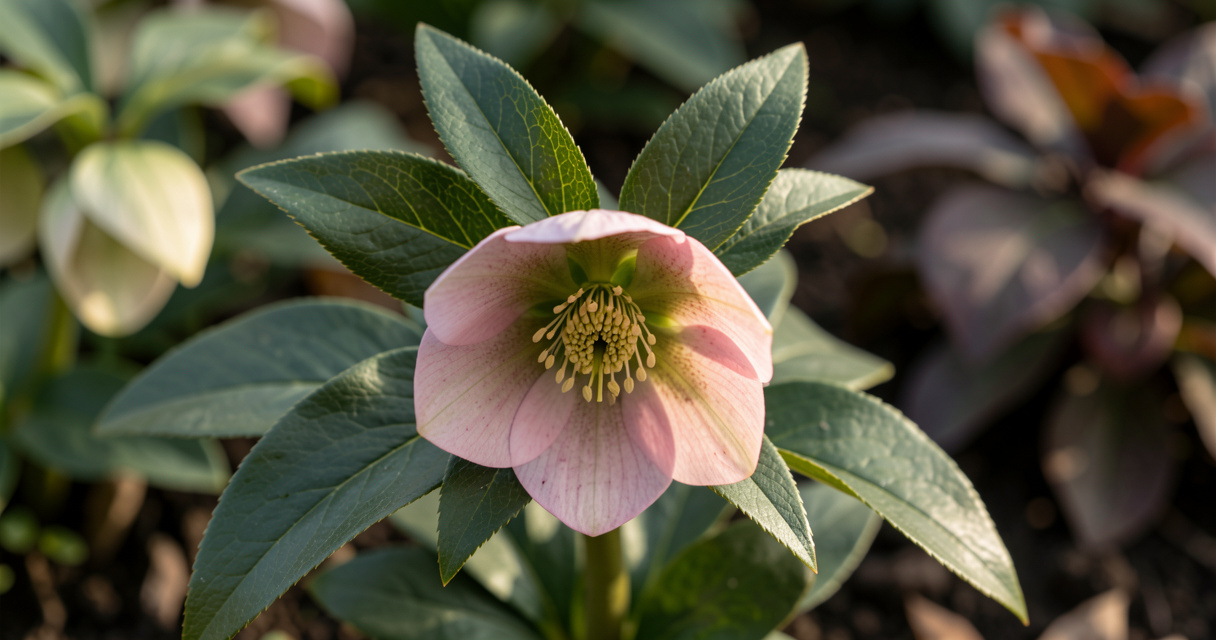
- Hellebores – earliest bloomers, often before snow melts
- Foamflower (Tiarella) – delicate spikes, patterned leaves
- Bleeding hearts – heart-shaped flowers, then summer dormancy
Each of these perennials needs only three things: proper initial planting, a layer of organic mulch, and patience. Let me walk you through the stars.
Hosta: The Everlasting Classic
Hostas are the workhorses of the shade garden. With over 3,000 cultivars, you can find sizes from miniature (15 cm) to giant (1.2 m) in every shade of green, blue, gold, and variegated patterns. My grandmother taught me that hostas tell you when they’re happy: leaves unfurl upright, edges crisp, no browning. Shade loving plants don’t get easier.
Fern: Texture Without Flowers
Ferns are the backbone of any woodland scene. The Japanese painted fern (Athyrium niponicum) offers silvery fronds that glow in dark corners. In my experience, ferns are the ultimate statement plants for deep shade — they need nothing from you except moist soil.
Hellebore: Winter Rose Wonder
Hellebores bloom from January in mild climates, with cup-shaped flowers in white, pink, purple, and even green. Their leathery leaves stay evergreen through most winters. Pro tip: cut off old leaves in late winter to showcase the flowers.
Bleeding Heart: Arching Elegance
Dicentra spectabilis (old-fashioned bleeding heart) produces arching stems lined with heart-shaped pink flowers in spring. Then it disappears — don’t panic, it’s simply summer-dormant. Plant it among hostas that will fill the gap.
How to Plant and Forget: Amend soil with compost, water once at planting, apply 5 cm of mulch, and never deadhead — let them go to seed. That’s it.
A client of mine in Utrecht moved into a house with a dark north-facing garden. She started with six hostas and a fern. Three years later, the space is a jungle of texture and color, visited by insects she’d never seen before. The plant will tell you — if it’s happy, it spreads.
Now, what if your shade is dry? Let’s tackle that next.
Best Shade Plants for Dry Shade (Under Trees)
Dry shade is the toughest spot in any garden — under oaks, maples, or eaves. In my work with Central Texas Gardener (2026), I’ve seen that xeric plants like columbine, epimedium, and liriope thrive where others wilt. Shade plants for dry soil share deep root systems and leathery leaves.
Understanding Dry Shade
The biggest challenge is water competition from tree roots. The soil is often compacted and low in organic matter. Never plant directly under a tree’s dripline — choose a spot just outside instead.
Top 5 Drought-Tolerant Shade Perennials
- Epimedium – delicate fairy-like flowers, spreads well
- Liriope muscari – grass-like clumps, purple spikes
- Japanese painted fern – retains color even in dry soil
- Columbine (Aquilegia) – self-sows freely, pastel blooms
- White wood aster – late summer flowers, tough as nails
Tip: Water deeply once a month during drought — avoid overhead watering to prevent fungal diseases. Mulch with shredded leaves to retain moisture.
But what if you crave flowers? Let’s move to the bloomers.
Shade Plants with Stunning Blooms (Not Just Foliage)
Many gardeners still believe shade means all leaves. Wrong. Shade plants that bloom all season are real and spectacular. From spring bleeding hearts to fall toad lilies, here’s what to plant for continuous color.
Spring Bloomers
- Bleeding heart – pink or white, April-May
- Hellebore – February-April, many colors
- Virginia bluebells – blue bells, naturalizes in moist shade
Summer Flowering Shade Plants
- Astilbe – plume-like flowers in pink, red, white; June-July
- Heuchera – tiny bells on slender stems, airy
- Impatiens – annuals, but non-stop color
Fall Interest
- Toad lily (Tricyrtis) – orchid-like spots, September-October
- Japanese anemone – delicate pink cups
| Plant | Bloom Period | Flower Color | Light Need |
|---|---|---|---|
| Bleeding heart | April-May | Pink/white | Partial shade |
| Astilbe | June-July | Pink/red/white | Partial to dappled |
| Toad lily | Sept-Oct | Purple/white | Deep to dappled |
In my experience, combining these bloom times gives you color from February through October. That’s nine months of flowers in a shady garden.
Now, let’s talk about going native — a move that cuts maintenance to nearly zero.
Native Shade Plants for a Low-Care Woodland Garden
I’ve long admired the work of Prairie Nursery — they emphasize that native shade plants, once established, require no watering, fertilizing, or dividing. They are perfectly adapted to your region’s rainfall and soil. Here are my top regional picks.
Northeast Natives
- Wild geranium (Geranium maculatum) – pink, spreads gently
- Maidenhair fern – delicate black stems, rich green
- Wild leek (Allium tricoccum) – edible leaves, spring ephemeral
Southeast Picks
- Indian pink (Spigelia marilandica) – red and yellow tubular flowers
- Foamflower (Tiarella cordifolia) – vigorous groundcover
Pacific Northwest Favorites
- Western red columbine (Aquilegia formosa) – hummingbird magnet
- Deer fern (Blechnum spicant) – evergreen, glossy fronds
Case study: A gardener in Michigan replaced lawn under mature oaks with a mix of wild geranium, native ferns, and sedges. After the first year, she never watered again. The leaves fell naturally and mulched the beds.
Now that you have plants, how do you arrange them? Let’s design.
How to Design a Layered Shade Garden
A shade garden design uses vertical layers to mimic a woodland. Start with a small understory tree like serviceberry (Amelanchier) or a multi-stemmed shrub like rhododendron. Then add perennials, and finally groundcovers.
Canopy and Understory
The tallest layer filters light — think dogwood or witch hazel. Underneath, hydrangea or viburnum add structure.
Mid-Level Perennials
Hostas, astilbe, and ferns form the bulk of the garden. Vary heights from 30cm (dwarf hostas) to 90cm (ostrich fern).
Groundcovers That Spread
- Ajuga reptans – purple leaves, blue spikes
- Pachysandra terminalis – glossy green, evergreen
- Sweet woodruff – white flowers, fragrant
Six Steps to a Shade Garden: 1. Measure light at three points. 2. Remove weeds and grass. 3. Amend with 5cm of compost. 4. Choose plants for each layer. 5. Place tallest in back, shortest in front. 6. Water once and mulch.
Let’s move to care — because even low-maintenance gardens need a little love.
Shade Plant Care: Water, Soil, and Maintenance Tips
Shade plant care is often simpler than sun-loving plants because evaporation is slower. But there are pitfalls. Here’s what I’ve learned from twelve years in Dutch nurseries.
Soil Preparation for Shade Beds
Shade soil tends to be acidic and low in organic matter. Add 5–10 cm of compost or leaf mold annually. In my experience, a soil pH of 6.0–6.5 is ideal for most shade perennials.
Watering Wisdom
Overwatering is the #1 killer of shade plants. Let the soil dry to the second knuckle before watering. Use a soaker hose to avoid wetting foliage, which invites fungus.
Dealing with Slugs and Deer
Slugs love hostas. Use crushed eggshells or diatomaceous earth around crowns. For deer, choose hellebores, ferns, and foxgloves — they rarely touch them.
Still have questions? Let’s answer the most common ones.
Frequently Asked Questions
What plants grow well in full shade?
Hostas, ferns, hellebores, and foamflower are excellent choices. Full shade means less than 3 hours of direct sun per day.
How many hours of sun do shade plants need?
It depends on the type: part-shade plants need 3-6 hours, while full-shade plants survive on 0-3 hours of dappled or indirect light.
Can I grow vegetables in shade?
Most vegetables need 6+ hours of sun, but leafy greens like lettuce, spinach, and kale can tolerate light shade (3-4 hours).
Do shade plants need more water?
Not necessarily. Shade often means less evaporation, so many shade plants require less frequent watering than sun-lovers. Always check soil moisture.
What perennials bloom in shade?
Astilbe, bleeding heart, hellebore, heuchera, and toad lily are reliable bloomers in shade. They offer colors from pink to white to deep burgundy.
How do I prepare soil for a shade garden?
Add 2-4 inches of organic compost or leaf mold to improve drainage and fertility. Shade soil tends to be dry under trees, so moisture retention is key.
Are there evergreen shade plants?
Yes, hellebores, heuchera, some ferns (e.g., autumn fern), and groundcovers like ajuga and pachysandra stay evergreen through winter in mild climates.
Your Shady Garden Awaits
To recap: shade plants include a wide variety of perennials, shrubs, and groundcovers that thrive with minimal sun. Low-maintenance options like hostas, ferns, and hellebores require almost no care. Matching plants to the specific shade type (deep, dappled, partial) ensures success. Native shade plants reduce maintenance and support local ecosystems.
Your shady garden is full of potential — it’s time to plant and watch it flourish. In my experience, the darkest corners can become the most magical parts of any garden.

I’ve spent over fifteen years in botanical gardens and nurseries across the Netherlands and Belgium. Now I garden in Haarlem and write what I wish someone had told me sooner. No fluff — just what actually works.