
Reading time: 15 min
Key Takeaways
- Three lifecycle categories – Annual, perennial, and biennial plants behave very differently; choose based on how much effort you want to invest each season.
- Low-maintenance winners – Self-cleaning annuals like ageratum and angelonia need no deadheading, while perennials like coneflower and sedum thrive with minimal fuss.
- Year-round color is possible – By layering spring bulbs, summer perennials, fall asters, and winter witch hazel, your garden can bloom in every season.
- Pollinator power – Planting lavender, bee balm, and butterfly bush turns your garden into a buzzing sanctuary for bees, butterflies, and hummingbirds.
What Are Flowering Plants? – Botanical Definition and Significance
Did you know there are over 400,000 species of flowering plants on Earth, and more than 99% of them make their own food through photosynthesis? That’s the astonishing scale of angiosperms, the group of plants that produce flowers and fruits. With so many choices and varying care requirements, gardeners often struggle to select and maintain the right flowering plants for their space and skill level. Let me show you what actually works – starting with the science behind these remarkable organisms.
The Clade Angiospermae
The term angiosperm comes from Greek angeion (vessel) and sperma (seed), meaning “enclosed seed.” Unlike gymnosperms (conifers and cycads), which bear naked seeds on cones, angiosperms protect their seeds inside a fruit. This evolutionary innovation appeared around 140 million years ago and led to the explosive diversification of types of flowers we see today. In my experience, understanding this basic distinction helps gardeners appreciate why flowering plants are so adaptable and resilient.
Definition box: Angiosperm – from Greek angeion (vessel) and sperma (seed), meaning “enclosed seed.”
Why Flowering Plants Dominate the Planet
According to Wikipedia (2025), more than 99% of flowering plants are photosynthetic autotrophs – meaning they produce their own food using sunlight. But their success isn’t just about photosynthesis. Angiosperms co-evolved with pollinators, developing an extraordinary range of flower shapes, colors, and scents to attract bees, butterflies, birds, and even bats. This partnership allowed them to colonize nearly every habitat on Earth. As a Wageningen-trained biologist, I find this coevolution story endlessly fascinating – and it has direct implications for your garden. When you choose the right flowering plants, you’re tapping into millions of years of natural design.
From tulips in Dutch fields to tropical orchids in the Amazon, the diversity is staggering. The 400,000+ species figure (from 1800flowers’ Petal Talk, 2021) puts it in perspective: there are more flowering plants than all other land plant groups combined. So the next time you wonder why your garden feels alive, remember you’re working with the most successful plant group in history. Let’s now break down the three main lifecycle categories so you can choose the right plants for your garden rhythm.
Annuals, Perennials, and Biennials: Which Should You Choose?
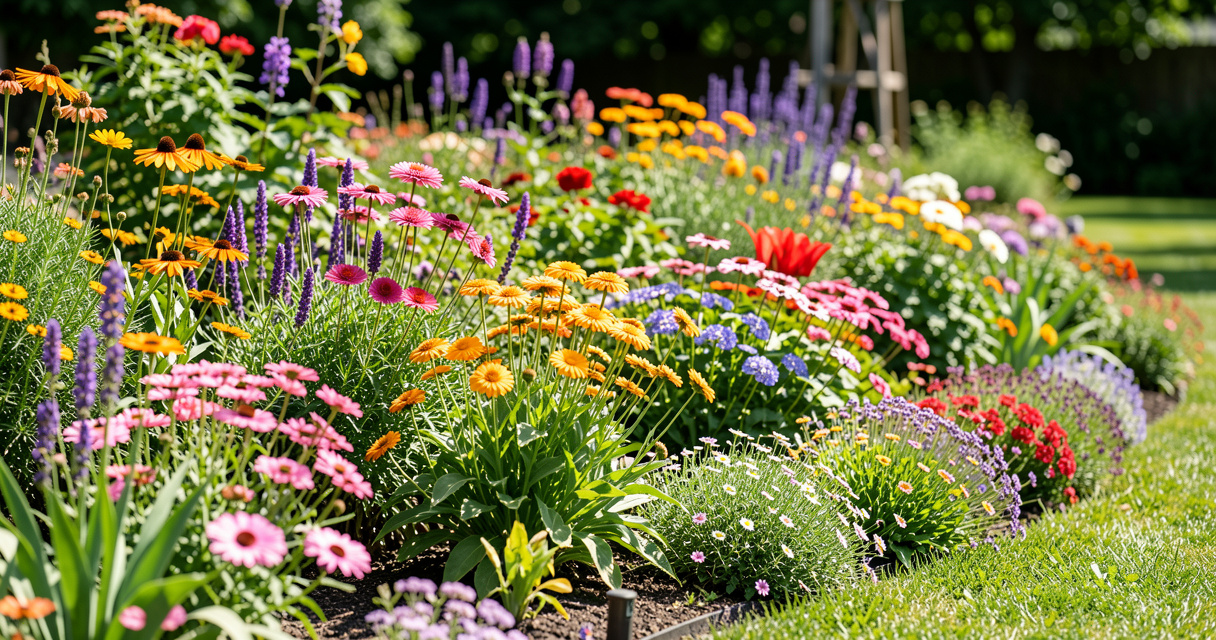
Before we dive into specific plants, let’s clarify the most important classification for any gardener. Here’s a quick-reference table that answers the question “What is the difference between annual and perennial flowering plants?” at a glance.
| Type | Lifespan | Examples | Care Level |
|---|---|---|---|
| Annual | One growing season | Petunia, Marigold, Ageratum | Low to Moderate |
| Perennial | Returns year after year | Coneflower, Daylily, Lavender | Moderate |
| Biennial | Two growing seasons | Foxglove, Hollyhock, Parsley | Low |
Annuals – Color for One Season
Annuals complete their entire life cycle – from seed to flower to seed – in a single season. You plant them in spring, they bloom all summer, and they die with the first frost. In my experience, annuals are perfect for containers, hanging baskets, and filling gaps in borders. They give you instant, non-stop color. Varieties like petunia, marigold, and ageratum bloom from planting until frost without needing deadheading (more on that later). The trade‑off? You have to replant every year. But if you love changing your garden palette each season, annuals are your best friend. Don’t overthink it – use them for drama.
Perennials – Long-Term Garden Backbone
Perennials live for three or more years, returning each spring from the same root system. They are the structural skeleton of any garden. Think coneflower (Echinacea), daylily (Hemerocallis), and lavender (Lavandula). Their blooms may last a few weeks to a few months, but because you buy them once and they expand over time, they’re cost‑effective. What most people get wrong is thinking all perennials bloom all summer – most have a defined season. But by choosing early, mid, and late bloomers you can have color from spring to fall. Do biennial plants bloom every year? No – biennials bloom only in their second year, then set seed and die.
Biennials – Patience Rewarded
Biennials are the middle ground: they grow leaves in their first year, overwinter, then flower, set seed, and die in their second year. Foxglove (Digitalis purpurea), hollyhock (Alcea rosea), and parsley (Petroselinum crispum) are classic examples. If you want biennials in your garden every year, you need to sow seeds two years in a row. Once you get the hang of it, they add a lovely rhythm. The plant will tell you when it’s flowering: give it time. Now, let’s see how these categories serve different garden purposes.
Top Flowering Plants by Garden Purpose
Whether you’re designing a border, covering bare ground, filling containers, or creating a statement focal point, there’s a flowering plant for every job. Let me show you what actually works for each purpose.
Shrubs for Structure and Color
Flowering shrubs like azalea (Rhododendron), lilac (Syringa vulgaris), and hydrangea (Hydrangea macrophylla) provide height, structure, and spectacular blooms. I’ve planted them in many Dutch gardens to create living walls of color. Azaleas love acidic soil and partial shade, while lilacs need full sun and a neutral pH. For sheer ease, try ‘Annabelle’ hydrangea – it flowers on new wood, so you can prune it hard in early spring. Shrubs are the bones of a garden, and their blooms anchor the season.
Perennials for Continuous Blooms
If you want color returning year after year without replanting, choose perennials. Classics like salvia (Salvia nemorosa), sedum (Hylotelephium spectabile), and coneflower are workhorses. Salvias bloom from June to October if you deadhead regularly. Sedums offer late‑summer nectar for butterflies. In my own Haarlem garden, I rely on ‘Purple Emperor’ sedum for a dramatic autumn show. Perennials build the garden’s personality over time.
Annuals for Seasonal Accents
Annuals are the quickest way to inject bold color where you need it. Use them in containers, hanging baskets, or as temporary fillers in a new border. Petunias, calibrachoa (million bells), and angelonia are top choices. Their care level is low if you choose self‑cleaning types. Here’s a checklist of easy‑care flowering plants you can trust.
- Petunia – Sun, moderate water, no deadheading needed for wave varieties
- Marigold – Sun, drought‑tolerant, blooms all summer
- Ageratum – Part shade, low water, self‑cleaning
- Calibrachoa – Sun, moderate water, trailing habit
- Zinnia – Sun, moderate water, cut‑and‑come‑again blooms
- Salvia – Sun, low water, attracts pollinators
- Coneflower – Sun/part shade, drought‑tolerant, long bloom
- Sedum – Sun, low water, great for fall color
- Lavender – Sun, low water, fragrant
- Daylily – Sun/part shade, moderate water, reliable
That’s a solid starter kit for any garden. Now, let’s focus on the easiest of the easy – plants that practically take care of themselves.
Low-Maintenance Flowering Plants for Beginners
If you’re new to gardening or simply want a beautiful garden without daily fuss, choose plants that need little deadheading, staking, or watering. According to Milorganite (2024), self‑cleaning annuals like ageratum, angelonia, and calibrachoa drop their spent flowers naturally. You never have to snip them. That’s a game‑changer for busy gardeners.
Self-Cleaning Annuals
Self‑cleaning means the plant automatically removes old blooms, staying tidy. Besides the ones mentioned, petunias (especially the ‘Wave’ series) and million bells (Calibrachoa) are classics. They bloom from spring to frost without a single snip. In my experience, this is the single best feature for beginners. What are the easiest flowering plants to grow? Petunias, marigolds, and zinnias are at the top of the list. Just give them sun and water when the top inch of soil feels dry.
No-Fuss Perennials
Perennials that require zero staking and little water include bugbane (Actaea simplex) and Solomon’s seal (Polygonatum odoratum). Both thrive in shade – a common challenge. Bugbane produces tall white spires in late summer; Solomon’s seal arches gracefully with hanging bell flowers. They’re vigorous, disease‑resistant, and deer‑resistant. Here’s a quick checklist of low‑maintenance must‑haves:
- Ageratum – Self‑cleaning, part shade
- Angelonia – Self‑cleaning, full sun, drought‑tolerant
- Calibrachoa – Self‑cleaning, full sun, trailing
- Petunia (Wave) – Self‑cleaning, full sun
- Coneflower – Low water, no staking
- Sedum (Autumn Joy) – Low water, sturdy stems
- Bugbane – Shade, low water, architectural
- Solomon’s Seal – Shade, low water, deer‑resistant
Notice that all of these need minimal watering once established. The plant will tell you when it’s thirsty – drooping leaves are the sign. Now, how do you keep your garden in bloom every month of the year?
Seasonal Bloom Guide: Flowers for Every Time of Year
A well‑planned garden delivers color from early spring to deep winter. I’ve designed many Dutch gardens around this principle. Here’s a seasonal bloom calendar with care tips.
| Season | Plant Examples | Bloom Time | Care Tip |
|---|---|---|---|
| Spring | Lilac, Tulip, Hellebore | March–May | Plant bulbs in autumn; remove faded blooms |
| Summer | Coneflower, Daylily, Lavender | June–August | Water 1 inch per week; deadhead to prolong |
| Fall | Mum, Aster, Sedum | September–October | Pinch back mums and asters by end of June |
| Winter | Witch Hazel, Hellebore, Snowdrop | January–February | Protect from heavy snow; provide well‑drained soil |
Spring into Action
Spring‑blooming plants like tulips and lilacs are the reward after a cold winter. Lilacs (Syringa) need full sun and well‑drained soil; prune right after flowering to avoid cutting next year’s buds. Tulips are best treated as annuals in most climates – dig up and store bulbs if you want them to return.
Summer Sizzlers
Summer‑blooming plants are the backbone of the garden: coneflowers, daylilies, and lavender provide weeks of color. I always tell new gardeners to start with coneflowers and daylilies – they’re nearly indestructible. Deadhead spent blooms to encourage more flowers. Most need at least 6 hours of sun.
Fall Favorites
Mums and asters shine in autumn. According to Milorganite’s guidance, pinch back mums and asters by the end of June in the Northern Hemisphere to keep them compact and full of buds. Sedum ‘Autumn Joy’ turns from green to bronze to deep red – a three‑season performance from one plant.Winter Wonders
Don’t assume your garden goes barren. Witch hazel (Hamamelis) blooms with spidery yellow or orange flowers in January. Hellebores (Christmas rose) provide delicate white or purple blooms even under snow. Snowdrops emerge in late winter. These plants love partial shade and moist, humus‑rich soil. Do flowering plants need full sun? Not all – many thrive in shade, which we’ll cover next.
How to Care for Flowering Plants: Water, Light, and Pruning
Caring for flowering plants isn’t complicated once you understand their basic needs. Let me walk you through the three pillars.
Watering Wisely
Most flowering plants need about 1 inch of water per week during the growing season. But that’s a starting point – always check the top inch of soil with your finger. If it feels dry, water. If it’s still moist, wait. Overwatering is the #1 killer of flowering plants. In my Haarlem garden, I water deeply but less frequently to encourage deep roots. Container plants dry out faster, so check them daily in hot weather.
Warning box: Overwatering is the #1 killer of flowering plants – check soil moisture before watering.
Sunlight Requirements
Full sun means 6+ hours of direct sunlight per day; partial sun means 4‑6 hours; shade means less than 4 hours. Many flowering plants love full sun (coneflower, lavender), but don’t forget shade‑lovers like impatiens, fuchsia, and Solomon’s seal. How do I choose flowering plants for shade? Look for those with broad, dark green leaves – they’re adapted to low light. Hostas and ferns are non‑flowering companions that add texture.
Pruning for More Blooms
Deadheading (removing spent flowers) encourages plants to keep producing blooms instead of setting seed. Use clean snips and cut just above a leaf node. For shrubs like lilac, prune right after flowering. For perennials like sedum and Boltonia, Milorganite recommends cutting them back by half in late spring to control height. When to plant flowering perennials? Spring after the last frost is best for most, but fall planting works in warm climates so roots establish before winter.
Now let’s go beyond simple beauty and talk about the ecological role of your garden.
Attracting Pollinators with Flowering Plants
Pollinators are essential for the reproduction of over 75% of flowering plants, including many of our food crops. By choosing the right plants, you can turn your garden into a vibrant ecosystem. Let me share a fascinating story that illustrates the power of coevolution.
Anecdote: The Madagascar star orchid (Angraecum sesquipedale) has a nectar spur 30 cm long. Charles Darwin predicted that a moth with an equally long tongue must exist to pollinate it. Decades later, the moth (Xanthopan morganii praedicta) was discovered – a perfect example of coevolution. When you plant for pollinators, you become part of this ancient partnership.
Understanding Pollination Syndromes
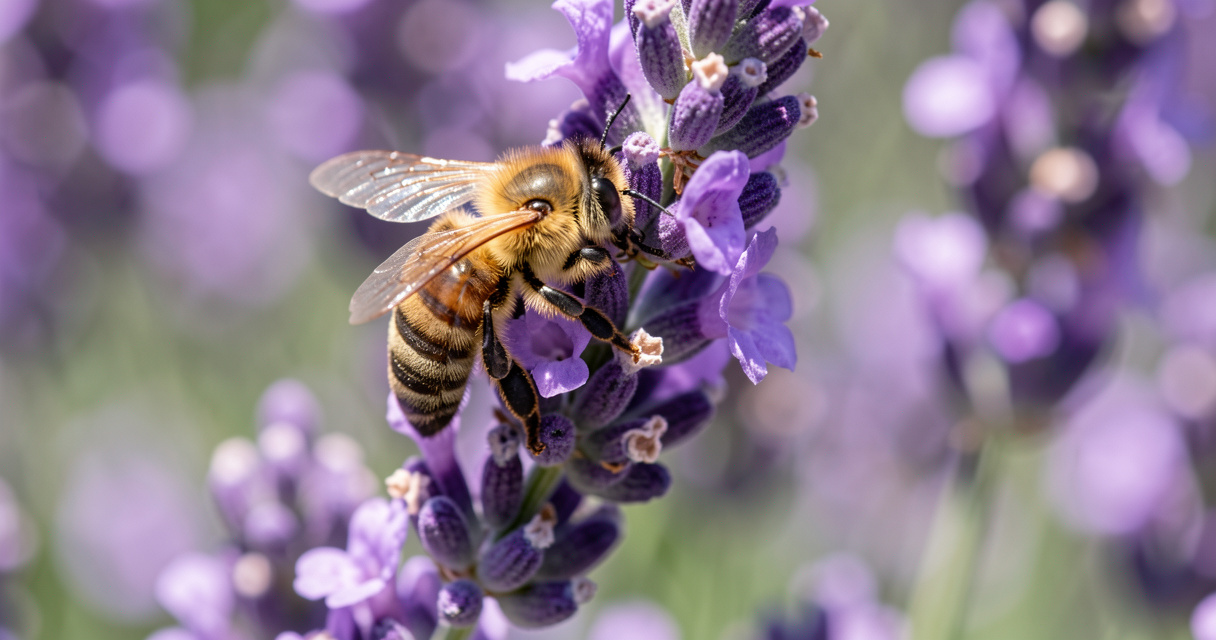
Different pollinators are attracted to different flower traits. Bees prefer blue, purple, and yellow blooms with a landing platform – think lavender and coneflower. Butterflies like flat, open flowers like zinnia and butterfly bush. Hummingbirds are drawn to long, tubular red or orange flowers like fuchsia and bee balm. By including a variety of shapes and colors, you cover all bases.
Top 10 Pollinator-Friendly Plants
- Lavender (Lavandula) – bees, butterflies
- Coneflower (Echinacea) – bees, butterflies, birds for seeds
- Bee balm (Monarda) – hummingbirds, bees
- Butterfly bush (Buddleja) – butterflies
- Salvia (Salvia nemorosa) – bees, hummingbirds
- Zinnia (Zinnia elegans) – butterflies, bees
- Sunflower (Helianthus annuus) – bees, birds
- Foxglove (Digitalis purpurea) – bumblebees
- Honeysuckle (Lonicera periclymenum) – moths, hummingbirds
- Aster (Symphyotrichum novae‑angliae) – late‑season bees and butterflies
Plant them in drifts rather than single specimens – pollinators see large color blocks from a distance. A garden full of buzzing life is one of the greatest joys. Now, let’s answer some common questions you might still have.
Frequently Asked Questions
What are the easiest flowering plants to grow?
Low‑maintenance annuals like ageratum and petunias, and perennials like coneflowers and sedum, require minimal care and bloom reliably. They need only occasional watering and no deadheading in self‑cleaning varieties.
How often should you water flowering plants?
Most flowering plants need about 1 inch of water per week, but always check the top inch of soil – water only when dry to avoid root rot. Containers may need daily watering in heat.
What is the difference between annual and perennial flowering plants?
Annuals complete their life cycle in one season and need replanting; perennials live for multiple years, regrowing from roots each spring. Biennials take two years to bloom and die.
Do flowering plants need full sun?
It depends on the species. Many flowering plants thrive in full sun (6+ hours), but shade‑loving options like impatiens and fuchsia prefer partial shade. Always check the plant tag.
When is the best time to plant flowering plants?
Spring after the last frost is ideal for most annuals and perennials; fall planting works well for perennials in warm climates so roots establish before winter. Biennials are best sown in late summer.
How to deadhead flowering plants?
Use clean snips to remove faded blooms just above a leaf node. This encourages continuous flowering and keeps plants tidy. For self‑cleaning varieties, you don’t need to do anything.
What flowering plants are safe for pets?
Safe options include roses, sunflowers, and snapdragons. Avoid lilies, azaleas, and oleander, which are toxic to cats and dogs. Always check with your vet if unsure.
Conclusion – Build Your Garden with Confidence
Let’s recap what we’ve covered. First, understand the three lifecycle categories – annuals, perennials, and biennials – to plan your garden investment. Second, choose low‑maintenance varieties if you’re a beginner or short on time; self‑cleaning annuals and easy perennials like coneflower and sedum give you beauty without endless chores. Third, use a seasonal bloom guide to ensure year‑round color – layer spring bulbs, summer perennials, fall asters, and winter witch hazel for non‑stop interest. Fourth, plant pollinator‑friendly varieties to support local ecosystems and enjoy the buzz of life in your garden.
In my experience, the best way to start is with a few low‑maintenance perennials. They establish fast, require little care, and will reward you for years. As my grandmother taught me, a garden is never finished – it grows with you. So don’t overthink it. Pick three plants from our checklist, put them in the ground, and watch your garden transform into a vibrant, self‑sustaining paradise. The plant will tell you what it needs – you just have to listen.

I’ve spent over fifteen years in botanical gardens and nurseries across the Netherlands and Belgium. Now I garden in Haarlem and write what I wish someone had told me sooner. No fluff — just what actually works.