
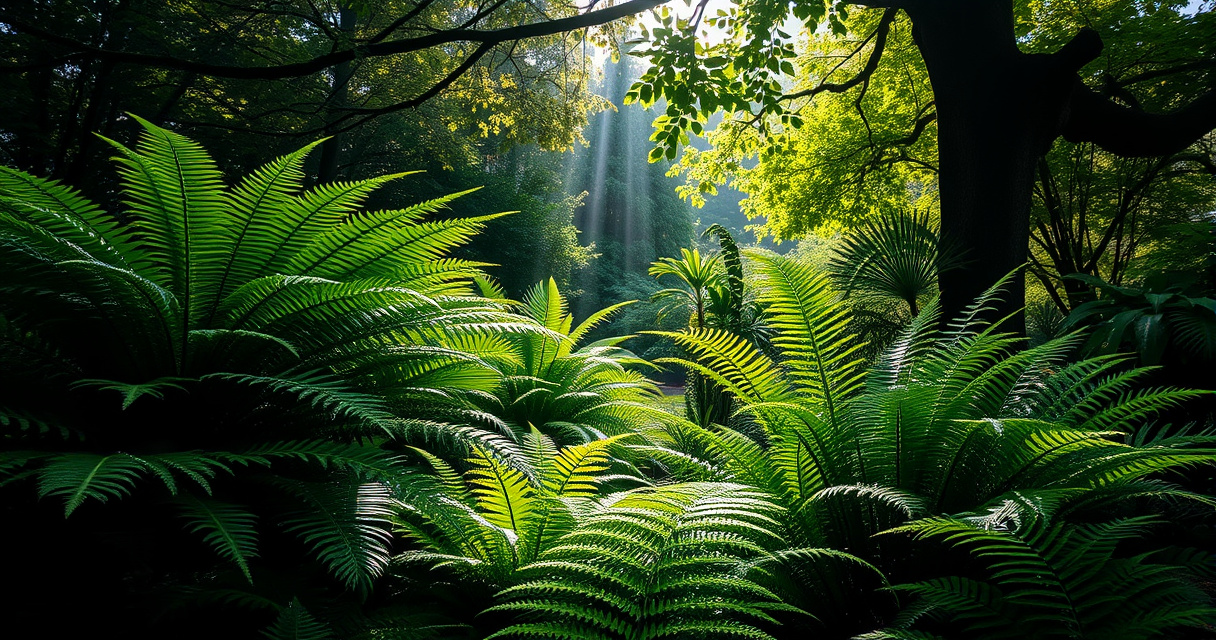
In my experience, there is something deeply magical about a shade garden at dawn. When the rest of the world is chasing the sun, the fern lovers are watching the silver dew settle on a delicate frond of Adiantum. What most people get wrong is thinking that shade is a limitation. My grandmother taught me that shade is actually an invitation—a canvas where texture, form, and varying shades of emerald do the work that flowers do elsewhere.
I grew up in the north of the Netherlands, and I remember my grandmother’s garden being a beautiful chaos of ferns. There was no plan, just a deep understanding of what the plants needed. Today, after years of studying plant biology at Wageningen and consulting for botanical gardens, I want to show you what actually works. This isn’t just a list of plants; it’s a definitive guide to creating a living laboratory of green in your own backyard.
Table of Contents
Key Takeaways for Fern Success
- Drainage is King: Ferns love moisture but hate “wet feet.”
- Match the Shade: Not all ferns like deep shade; some crave dappled light.
- Leave the Fronds: Dead fronds provide natural mulch and protection in winter.
- Patience Pays: Many perennials take 2-3 years to truly “leap” in growth.
1. Understanding Your Shade: It’s Not Just “Dark”
One of the first things I learned at Wageningen is that “shade” is a broad spectrum. If you want your ferns to thrive rather than just survive, you need to map your garden’s light. Don’t overthink it, but do observe it.
In the Netherlands, our light is often soft and filtered by clouds, but even here, the difference between “dappled shade” and “deep shade” is the difference between a thriving Dryopteris and a struggling one. Dappled shade is that beautiful, moving light filtered through tree leaves. This is the gold standard for most ferns. Deep shade, on the other hand, is often found against north-facing walls or under dense evergreens. Here, you need tough survivors like the Hart’s Tongue Fern (Asplenium scolopendrium).
My advice? Spend a Saturday with a cup of coffee and watch how the shadows move. If you have “dry shade” (often found under large trees like beech or oak), you’ll need to work harder on the soil. The plant will tell you if it’s getting too much light—the fronds will look bleached or crispy. Here’s what I’d do: start by identifying your brightest “shady” spots for the more colorful ferns and save the darkest corners for the true green stalwarts.
2. Choosing Your Ferns: Beyond the Common Boston
In my twelve years as a consultant for botanical gardens, I’ve seen thousands of fern varieties. Most people walk into a garden center and grab the first green thing they see, usually a Boston Fern that won’t survive a Dutch winter. Let me show you what actually works in a permanent shade garden. We divide ferns into two main categories: deciduous (those that die back in winter) and evergreen (those that stay green all year).
The “Showstoppers” for Dappled Shade
If you have that beautiful filtered light, you can play with color and form. The Japanese Painted Fern (Athyrium nipponicum ‘Pictum’) is my absolute favorite for adding contrast. Its silvery-purple fronds look like they’ve been brushed with metallic paint. It stays low, so it’s perfect for the front of a border. Pair it with a dark green Maidenhair Fern (Adiantum pedatum) for a texture explosion.
The “Survivors” for Deep, Dry Shade
This is where most people give up. Dry shade under a massive oak is tough. But the Male Fern (Dryopteris filix-mas) is a warrior. It’s robust, it’s tall, and it’s surprisingly drought-tolerant once established. If you want something evergreen, look no further than the Soft Shield Fern (Polystichum setiferum). Its architectural fronds stay green even when the snow is falling in Haarlem.
3. The Secret is in the Soil: Creating the Forest Floor
What most people get wrong is focusing on the plant while ignoring the ground. Ferns don’t grow in “dirt”; they grow in history. They grow in years of decomposed leaves, twigs, and organic matter. To grow great ferns, you need to recreate the forest floor in your backyard.
My grandmother taught me that if you take care of the soil, the plant takes care of itself. For ferns, this means three things: moisture retention, aeration, and acidity. Most ferns prefer a slightly acidic to neutral pH (around 5.5 to 7.0). If you have heavy clay (common in some Dutch polders), you must break it up. If you have sandy soil, you must give it “body.”
Here is my “Nynke Special” soil mix for a new fern bed:
- 40% Original Soil: To keep the plants grounded in the local environment.
- 30% Leaf Mold: This is the magic ingredient. If you don’t make your own, well-rotted compost is a decent substitute.
- 20% Pine Bark (fine grade): This adds the acidity and structure ferns crave.
- 10% Perlite or Grit: To ensure that even when it rains for three weeks straight, the roots aren’t drowning.
Mix this into the top 20-30 centimeters of your bed. Don’t over-fertilize! Ferns are light feeders. A top-dressing of organic mulch in the spring is usually all they need. The plant will tell you if it’s hungry—the new growth will be stunted or pale yellow.
4. Planting with Precision: Nynke’s Field Tips
When I was working in the botanical gardens, the most common mistake I saw was planting ferns too deep. It’s a natural instinct to want to “tuck them in,” but for a fern, the crown (the center where the new fronds emerge) is its heart. Bury the heart, and you kill the plant.
Here’s what I’d do: Dig a hole twice as wide as the pot but no deeper. When you place the fern in the hole, the crown should be slightly *above* the soil level. As the soil settles over the first few weeks, the crown will end up perfectly flush with the surface. If you see your fern sitting in a “bowl” of soil, it’s too deep. Use your fingers to gently spread the roots outward; ferns are explorers, they don’t like being root-bound.
Spacing is also critical. A young Ostrich Fern (Matteuccia struthiopteris) looks small in a 2-liter pot, but in three years, it can spread to over a meter. Don’t overthink it, but give them room to breathe. Good airflow prevents many of the fungal issues that can plague a dense shade garden.
5. Watering and Humidity: Mimicking the Mist
Ferns are ancient plants that evolved in humid, misty environments. In our modern gardens, especially during a dry Dutch summer, they can feel like fish out of water. But remember: there is a big difference between “damp soil” and “wet soil.”
In my experience, the best way to water ferns is “low and slow.” Avoid overhead watering during the heat of the day; the water droplets can act like tiny magnifying glasses and scorch the delicate fronds. Instead, water at the base in the early morning. If you have a larger collection, a simple soaker hose buried under the mulch is a game-changer.
Humidity is the secret weapon. If you live in an urban area like Haarlem where the air can get dry, your ferns will appreciate a “micro-mist.” You don’t need fancy equipment—just grouping your ferns together creates a natural pocket of higher humidity as they transpire. The plant will tell you if the air is too dry: the tips of the fronds will turn brown and brittle even if the soil is moist. When that happens, I often recommend placing a few large, flat stones among the ferns. When you water, the stones hold moisture and slowly release it back into the air.
6. Seasonal Care: From Spring Awakening to Winter Rest
Gardening with ferns is a long-term relationship, not a summer fling. Each season brings a new requirement. My grandmother taught me that the garden never truly sleeps; it just breathes differently in the winter.
Spring: This is the most exciting time. As the “croziers” or fiddleheads begin to unfurl, it’s time to clean up. But wait! Only cut back the old, brown fronds once you see the new ones starting to emerge. This ensures the crown was protected during the late frosts. A light top-dressing of leaf mold now will fuel the coming growth spurt.
Summer: Your main job is moisture management. Keep an eye out for pests like slugs, though most ferns are surprisingly resistant. If you see “black spots” on the underside of the leaves, don’t panic! Those are likely spores—the fern’s way of reproducing—not a disease.
Autumn & Winter: This is where most people make a mistake. They want to “tidy up” the garden for winter. Let me show you what actually works: Leave the dead fronds on the plant. They act as a natural duvet, protecting the sensitive crown from freezing temperatures. In the Dutch climate, where we get cycles of freezing and thawing, this natural mulch is the best defense. Plus, the structure of a frosted fern frond is one of the most beautiful sights in a winter garden.
7. Fern Companions: Designing with Texture and Contrast
In my botanical consulting work, I always say that a fern alone is a specimen, but a fern with companions is a story. Because ferns lack showy flowers, we have to play with the “architecture of the leaf.”
Hostas: The classic pairing. The broad, solid leaves of a Hosta provide the perfect backdrop for the airy, feathery texture of a fern. I love pairing the blue-toned Hosta ‘Halcyon’ with the upright, lime-green fronds of a Matteuccia.
Heucheras (Coral Bells): For a pop of color, nothing beats Heucheras. The dark purple varieties like ‘Obsidian’ make the silver-green of a Japanese Painted Fern truly sing. It’s all about the contrast between the matte leaf of the Heuchera and the glossy frond of the fern.
Spring Bulbs: Don’t forget the early bloomers! Snowdrops and wood anemones are perfect companions. By the time their foliage starts to look a bit tired in late spring, the emerging fern fronds will grow up and over them, hiding the mess. It’s a natural, self-cleaning cycle that my grandmother perfected in her Leeuwarden garden.
8. Troubleshooting: The Plant Will Tell You
I always tell my students: plants don’t read gardening books, but they are very good at communicating their needs if you know how to listen. Don’t overthink it, just observe the signs.
“Why are my fern fronds turning brown?”
If the tips are brown, it’s almost always a humidity issue or windburn. Ferns hate drafty corners. If the whole frond is turning yellow and soft, you’re likely overwatering, and the roots are suffocating. Check the drainage immediately. If the frond looks bleached and pale, it’s getting too much sun. It’s the plant’s way of saying, “Move me to the shadows!”
“Something is eating my ferns!”
While ferns are generally “pest-resistant” (even deer usually leave them alone), they aren’t invincible. Slugs love the tender new fiddleheads in spring. My grandmother’s trick? A few copper rings or even just encouraging birds into the garden. Avoid heavy pesticides; ferns have delicate “skins” and can be easily damaged by chemicals. Here’s what I’d do: go out at night with a flashlight. If you see slugs, remove them by hand. It’s a bit of work, but it’s the safest way for the ecosystem.
Conclusion: Your Shade Garden Journey
Creating a shade garden filled with ferns is an exercise in patience and observation. It’s about moving away from the fast-paced “instant gratification” of summer bedding plants and toward a deeper, more permanent connection with the soil. In my experience, the most beautiful gardens aren’t the ones that follow the rules perfectly, but the ones that allow the plants to express themselves.
Whether you’re starting with a single Dryopteris in a pot or transforming a whole north-facing backyard, remember: every expert was once a beginner. My grandmother’s garden wasn’t built in a day; it was built over decades of small observations and gentle adjustments. The plant will tell you what it needs. All you have to do is listen.
I hope this guide has given you the confidence to dive into the wonderful world of ferns. They are the quiet poets of the garden world, and once you start growing them, you’ll never look at a shady corner the same way again. Happy gardening!
Nynke Brandsma is a plant biologist and botanical garden consultant. When she’s not writing about ferns, she’s usually found in her Haarlem laboratory garden with a very large cup of tea and a pair of muddy boots.

I’ve spent over fifteen years in botanical gardens and nurseries across the Netherlands and Belgium. Now I garden in Haarlem and write what I wish someone had told me sooner. No fluff — just what actually works.