
Reading time: 4 min
Key takeaways
- Insulation comes first. Before buying any heater, seal drafts and add bubble wrap or thermal screens to trap warmth.
- Match heat to plants. Only tropical specimens need winter heating. Hardy ferns and most perennials are fine with frost protection alone.
- Control beats power. A thermostat or soil sensor running a small heater is more effective than a big one running constantly.
Why heating a greenhouse is not like heating a room
Let me show you what actually works: your greenhouse is a glass or polycarbonate box with almost no thermal mass. It loses heat as fast as it gains it. Treating it like a living room is the single most common mistake I see. In my experience, people install a large electric heater, panic at the energy bill in January, and then abandon the whole idea. The plant will tell you it was never about raw power. It was about management.
My grandmother taught me that a cold frame with a straw mat outperforms a badly sealed greenhouse every time. That lesson has stayed with me through twelve years of consulting for nurseries across the Netherlands and Belgium, where I have seen both the cleverest and the most wasteful setups.
Determining whether you need to heat the greenhouse?
What most people get wrong is assuming all plants need warmth. They do not. A greenhouse in the Dutch climate can overwinter a surprising range of species with no active heating, provided you manage humidity and air movement.
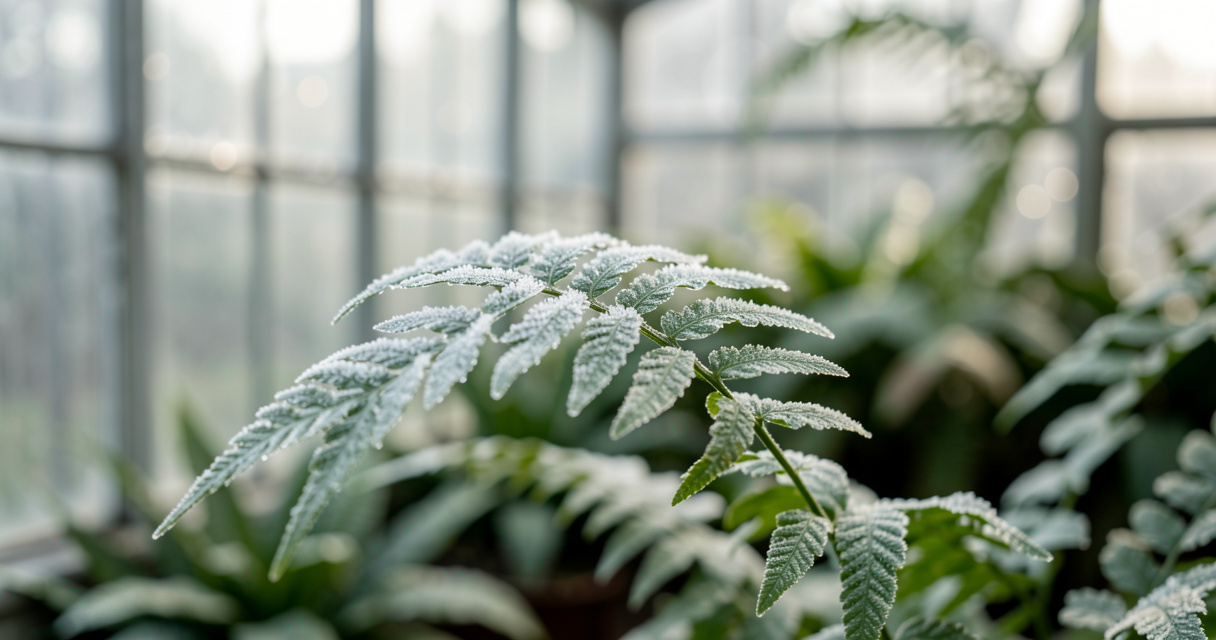
- Group A: Hardy ferns such as Polystichum setiferum, hostas (dormant crowns), and most herbaceous perennials. These tolerate frost. They need shelter, not heat.
- Group B: Tender perennials like pelargoniums, Fuchsia, and agapanthus. They need a few degrees above zero.
- Group C: Tropicals such as citrus, Strelitzia, or orchids. These demand steady warmth above 10-12°C (50-54°F).
Don’t overthink it. If your collection is mostly Group A, a heater is unnecessary. Your money is better spent on insulation, ventilation, and a digital min/max thermometer.
Insulation and draft proofing before any heater
Warm air leaks are invisible thieves. They steal heat faster than you can generate it. Here’s what I’d do, in order:
- Seal gaps around doors, vents, and glass overlaps using rubber gaskets or silicone sealant.
- Add bubble wrap on the inside of glazing for an extra R-value, particularly for a small greenhouse. One layer costs almost nothing and reduces heat loss notably.
- Use thermal screens or horticultural fleece draped over plant benches at night, pulled back by day.
- Mulch the soil and add a water barrel. Its heat mass moderates temperature swings.
I have measured the difference in a 6 m² greenhouse: bubble wrap plus gap sealing cut nighttime heating demand by roughly a third. This is the kind of data I want you to trust, not a manufacturer’s brochure.
Comparing heating options: gas, electric, and passive systems
Now we look at the heat source itself. Three families of solutions exist, and each has a place.
1. Electric heating
Straightforward, clean, and controllable. A 1–2 kW fan heater with thermostat is enough for most modest structures. The catch is running cost, which in 2026 remains the highest per kWh in the Netherlands. Use it for small spaces and as backup, not as a primary generator of warmth.
2. Gas and paraffin heaters
More output per unit, ideal for larger greenhouses. But they release moisture and carbon dioxide. In an unventilated space, the humidity spike can invite Botrytis. My rule: if I can smell it, the ventilation is insufficient.
3. Passive and renewable solutions
These are the elegant ones. A compost heap inside the structure generates gentle bottom heat as it decomposes. Thermal mass from gravel, brick paving, or water tanks absorbs daytime sun and releases it at night. Solar air collectors and heat pumps suit larger, more ambitious setups, but they require planning that begins months before winter arrives.
Setting up the thermostat and controls
Control is where money is saved or squandered. Fit a digital thermostat, and place its sensor at plant level, not near the roof. In my experience, the ideal is a system that runs at a relatively low, above-freezing temperature, relying on insulation rather than brute force. Pair it with a soil temperature probe for the most accurate picture.
- Night setpoint: just enough to protect your plants (e.g. 2-5°C).
- Day: let the sun do the work whenever possible.
- Ventilation: an automatic roof vent is non-negotiable for humidity control.
Costs, savings, and what actually works
What most people get wrong is treating the heater as the primary expense. In reality, insulation and control save you far more than a cheap heater ever could. The plant will tell you if it is too cold, typically with discolored leaves, limp growth, or leaf drop. These are symptoms of mismanagement, not of a weak heater.
A small, well-insulated, well-monitored setup will outperform a large, leaky one every January. And if you can grow a plant outside in a cold frame, do so. Respect what the season offers.
I write this in October 2026, with autumn settling on Haarlem and the first frosts not far off. Now is the moment to seal those gaps, lay out bubble wrap, and check that the thermostat sensor is fresh. That task is more valuable than any appliance you can order today.

I’ve spent over fifteen years in botanical gardens and nurseries across the Netherlands and Belgium. Now I garden in Haarlem and write what I wish someone had told me sooner. No fluff — just what actually works.