
Reading time: 4 min
Key Takeaways
- Borage is beginner-friendly — it thrives in poor soil and full sun, with minimal care required once established.
- Correct identification matters — only eat the blue star-shaped flowers and young leaves of Borago officinalis, never look-alikes.
- Harvest in the morning — pick flowers just after dew dries for the best texture and flavor, and use them within a few hours.
Why Borage Belongs in Every Garden
In my experience, borage is one of the most generous plants you can grow — and one of the most misunderstood. Most people think of it as a wild weed, something that shows up uninvited and takes over. But let me show you what actually works: treat borage as a purposeful garden companion, and it rewards you with edible flowers, pollinator support, and soil improvement, all from a single sowing.
What most people get wrong is planting borage in rich, composted soil. It prefers lean ground — exactly the sort of sandy, low-fertility conditions I grew up with in Friesland. My grandmother taught me that borage self-seeds best in disturbed, poor soil, and that’s exactly how it naturalizes in my Haarlem garden today.
The Botanical Basics: Borago officinalis
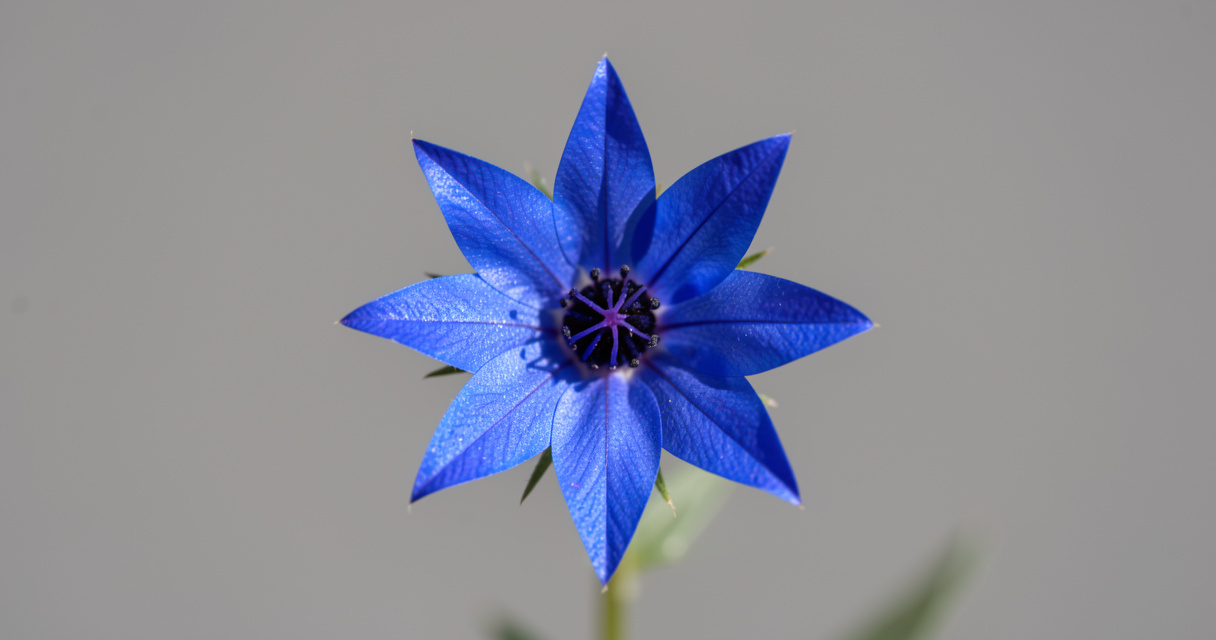
Borage is a hardy annual, native to the Mediterranean but perfectly at home across temperate regions. It grows 60-100 cm tall, with hairy stems and leaves that feel like soft felt. The star-shaped flowers — five pointed petals in a vivid, almost iridescent blue — appear from early summer into autumn, followed by black seeds that scatter readily.
There are two common varieties you’ll encounter:
- Borago officinalis — the classic blue-flowered type, with a mild cucumber flavor in both leaves and petals.
- Borago officinalis ‘Alba’ — a white-flowered form, slightly less common, with the same taste and growth habit.
I prefer the blue for its visual impact — that color against a grey stone wall or bright green lettuce is something you’ll remember.
Growing Borage: What Works — and What Doesn’t
Here’s what I’d do if you’re starting from seed today. In July 2026, you can still sow directly into the ground for a late-summer harvest of flowers and leaves, though spring sowing (April-May) gives the longest season.
Sowing depth: 1 cm deep, in groups of three seeds, spaced 30 cm apart. Borage seeds need darkness to germinate — cover them well, or press them into the soil with a board. Water gently and wait 7-14 days.
Sunlight: Full sun is ideal, but borage tolerates light shade. In shade, plants grow taller and produce fewer flowers. For the most abundant bloom, choose the sunniest spot you have.
Soil: Poor to moderately fertile, well-drained soil is perfect. Avoid heavy clay or constantly wet ground — roots will rot. In my Wageningen research days, we saw that borage in over-fertilized soil grows massive leaves but far fewer flowers. The plant will tell you: if it’s all foliage and no blooms, cut back on nitrogen.
Watering: Very minimal once established. In a dry summer, a deep soak every two weeks is enough. Overwatering leads to powdery mildew, which borage is surprisingly susceptible to in humid conditions.
How to Harvest Borage Flowers and Leaves
Don’t overthink it — harvesting borage is simple. The best time to pick flowers is early morning, just after the dew has dried but before the heat of the day. At that point, the petals are firm, full of nectar, and have the most concentrated flavor.
For flowers: Pinch the stem just below the flower head, or use scissors. Each flower lasts only a day, but the plant produces continuously. I harvest every 2-3 days during peak season. The tiny black center — where the nectar is held — is perfectly edible.
For leaves: Pick young leaves (no larger than 8 cm long) from the upper part of the plant. Older leaves become tough and hairy; they’re better left for the compost pile. Use leaves fresh — they wilt quickly after picking.
Safety note: Borage contains small amounts of pyrrolizidine alkaloids (PAs), which can be harmful in large quantities. In my experience, eating flowers in moderation — up to 10-15 per day — is safe for most adults. Pregnant or nursing women, and people with liver conditions, should avoid it entirely. Don’t eat the stems or hairy older leaves, which have higher PA levels.
Cooking with Borage: Simple Ideas That Work
Borage flowers have a delicate, cucumber-like taste with a hint of sweetness. The texture is soft and slightly crisp — they dissolve almost instantly on the tongue. Here are a few ways I use them in my kitchen.
Candied Borage Flowers
Brush each flower lightly with egg white (or aquafaba for a vegan version), dust with superfine sugar, and let dry on parchment paper for 24 hours. They keep for months in an airtight tin — perfect for decorating cakes, tarts, or cocktails.
Borage in Salads
Tear young borage leaves into a green salad with lamb’s lettuce, radish, and a simple vinaigrette. Scatter whole flowers on top. The flavor is light and refreshing — ideal with grilled fish or goat cheese.
Borage Ice Cubes
Freeze individual flowers in ice cube trays — this is one of the easiest ways to preserve them. Drop a cube into a glass of sparkling water, lemonade, or gin and tonic. The effect is stunning, and it infuses a faint cucumber note into the drink.
Borage Tea
Steep 5-6 fresh flowers and a few young leaves in boiling water for 5 minutes. Strain and sweeten lightly with honey. It’s mildly sedative — what herbalists call a nervine — and makes a good evening drink. Don’t overdo it: limit to one cup per day.
Common Mistakes and How to Avoid Them
Let me share the three things I see most often go wrong:
- Eating too many leaves: Stick to young leaves only, and limit to a handful per week. The PA content is real, and it’s cumulative.
- Confusing borage with comfrey: Comfrey (Symphytum officinale) has similar leaves but bell-shaped, usually purple flowers. Don’t eat comfrey — it’s toxic. Borage flowers are distinctively star-shaped and blue or white.
- Letting it take over: Borage self-seeds enthusiastically. Deadhead before seeds mature, or pull unwanted seedlings early. In a small garden like mine, I let three or four plants go to seed each year and pull the rest.
The Bottom Line
Borage is a plant that asks for almost nothing and gives back plenty — edible flowers, continuous blooms, and a magnet for bees and hoverflies. In my Haarlem garden, it’s become a July tradition to gather a handful of blue stars before breakfast, drop them into a glass of water, and watch the honeybees work the patch behind them.
The plant will tell you when it’s happy — you’ll see it in the profusion of flowers and the healthy buzz of pollinators around it. Don’t overthink it. Grow it, pick it, eat it. That’s all there is to it.

I’ve spent over fifteen years in botanical gardens and nurseries across the Netherlands and Belgium. Now I garden in Haarlem and write what I wish someone had told me sooner. No fluff — just what actually works.