
Reading time : 5 min
Key Takeaways
- Don’t panic — flowering is a natural, healthy sign. Let the plant guide your next step.
- Cut only when necessary — for seed control, aesthetics, or directing energy back to frond growth.
- Use clean cuts — sanitize tools, cut at the right angle, and never remove more than one inflorescence per season.
Palms Flower Differently Than You Think
When your palm shoots out those strange, branching clusters — panicles or spadices — it’s easy to feel a moment of unease. What most people get wrong is assuming something is wrong. In my experience, flowering is a sign that your palm is mature and happy. It’s not a cry for help. It’s a quiet celebration.
Let me show you what actually works. I’ve spent years working with palms in botanical gardens and nurseries across the Netherlands — from the subtropical greenhouses at Hortus Haren to private city gardens in Haarlem. Palms are surprisingly resilient, but they also appreciate being understood.
Why Palms Flower: A Natural Calendar
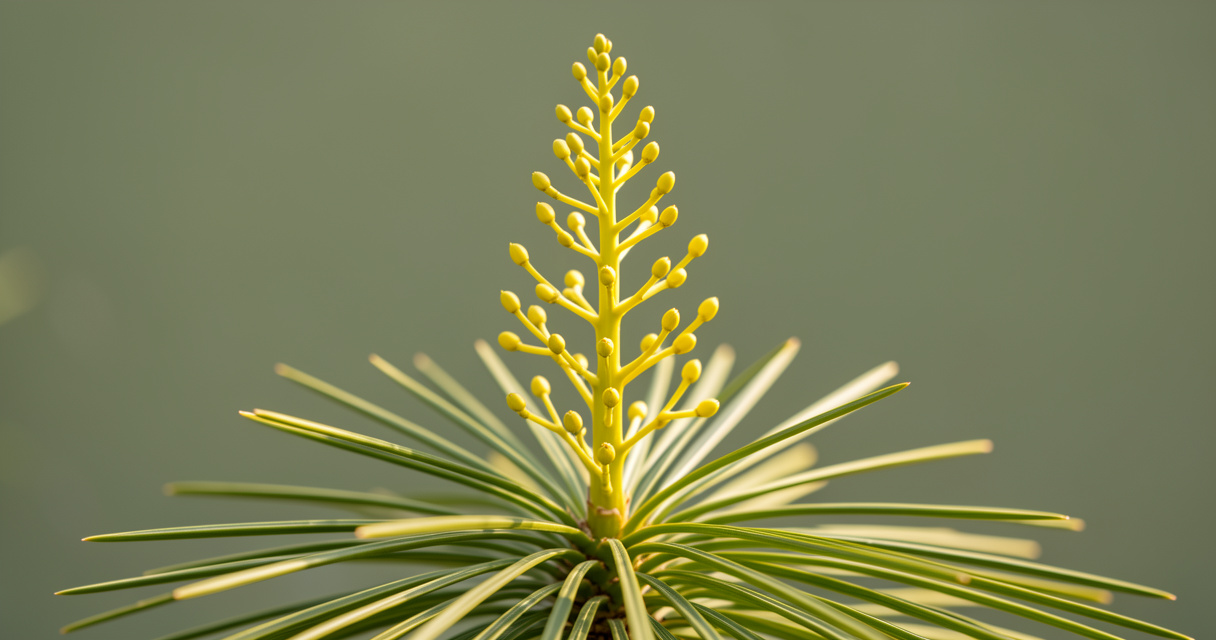
Unlike most trees and shrubs that flower for a short burst, palms can hold their inflorescence for months. Some species, like the Windmill palm (Trachycarpus fortunei), produce small yellow flowers in late spring, while the Canary Island date palm (Phoenix canariensis) bursts with massive, creamy panicles in early summer.
Here’s what I’d do: first, identify what kind of palm you have. Is it a trunk-forming feather palm, or a clumping fan palm? The species dictates how often and how aggressively it flowers. In my botanical garden days, we logged flowering dates for every palm in the collection — it taught me that flowering is tied to light, heat, and even soil moisture in surprisingly precise ways.
Should You Cut the Flowers? When to Say Yes
My grandmother taught me that a garden is about patience, but also about knowing when to act. Here’s when I cut: if the plant is indoors or in a small urban space, and the flower cluster is attracting insects, dropping sticky sap, or taking energy away from leaf production. In my Haarlem garden, where space is tight, I cut inflorescences on my miniature date palm to keep it compact and tidy.
Don’t overthink it. If you want to save the seeds, leave the flowers to mature. If you prefer clean lines and robust foliage, cut the flower stalk as low as possible — but only after it has fully emerged. Cutting too early can confuse the plant and trigger secondary flowering, which is exhausting for it.
How to Cut Palm Flowers Without Harming the Tree
Here’s the step-by-step method I use at Wageningen University’s research greenhouses and at home:
- Sanitize your pruning shears with rubbing alcohol or a 10% bleach solution. Palms are susceptible to fusarium and other fungal pathogens. One dirty cut can cost a plant its life.
- Cut at a 45-degree angle, about 2–3 cm above the point where the flower stalk emerges from the trunk or leaf base. Leave a small stub to protect the growing point.
- Apply a thin layer of pruning paste if you are in a humid climate or the palm is already stressed. It seals the wound and keeps out pests.
- Never cut more than one inflorescence per season. Palms store energy in the trunk. Over-pruning can weaken it for years.
What most people get wrong is cutting the flower stalk flush with the trunk. The plant will tell you if you’ve gone too deep – you’ll see oozing sap or blackened tissue around the wound. Respect the crown.
When to Leave the Flowers: Aesthetic and Ecological Reasons
Honestly, there are times when leaving the inflorescence is the better choice. Palms in bloom can be stunning — I have seen yuccas (which are not true palms but behave similarly) attract whole neighbourhoods of pollinators. A flowering sago palm (Cycas revoluta, actually a cycad) is a conversation piece.
In a larger garden or public park, I encourage leaving the flowers. They feed bees, beetles, and birds. The seed clusters that follow — like the ornamental date palm stones or pindo palm fruits — create delicious jams if you are into foraging, or simply add architectural interest through winter.
The plant will tell you when it’s done. Once the flowers brown and dry, you can deadhead them gently. But fresh, yellow or white panicles? Let them shine. My grandmother would have kept every one of them, saying “nature knows best,” and I’ve grown to agree.
Palm Species That Flower Often (and What to Expect)
Not all palms flower the same way. Based on my field work in the Netherlands and Belgium, here are four common candidates:
- Trachycarpus fortunei (Windmill palm): produces dense, yellow panicles in May–June. The flowers are dioccious — male and female on separate plants. If you have both, you’ll get seeds.
- Phoenix roebelenii (Pygmy date palm): small, creamy spikes. Best cut if indoor — they can be sticky.
- Butia capitata (Pindo palm): massive feathery inflorescences that hang down like catkins. Pollinators love it, and the syrup from the fruit is remarkable.
- Chamaerops humilis (European fan palm): compact yellow flowers at the leaf axils. Easy to cut, and won’t harm the plant at all.
If you are unsure about your species, compare the growth habit — single trunk versus clumping — and leaf shape. Feather leaves (pinnate) versus fan leaves (palmate). This distinction alone clarifies 80% of what to expect.
What Happens If You Do Nothing? (Spoiler: It’s Fine)
Don’t overthink it. In most cases, the palm will flower, set seed if pollinated, and then naturally drop the spent inflorescence. The plant will tell you by redirecting energy into new fronds or roots. I’ve left flower clusters on my Washingtonia robusta for entire seasons, and it produced enormous new leaves right through the stress.
The only time to act is when the drying panicle becomes a fire hazard (rare in the Netherlands) or a home for pests like palm weevils in warmer climates. Here, we don’t have that problem, so I often let nature take its course.
Final Thought: Respect the Rhythm
Your palm in flower is a living clock. It marks the seasons with a precision we gardeners are still learning to read. In my experience, the best approach is not to fight it but to work with it. Cut when you must, leave when you can, and always listen to what the leaves and stems are telling you.
If you want a deeper dive into palm care—including pruning techniques, watering schedules, and common mistakes—I suggest browsing our palm care guide. But for now, trust yourself. Your palm knows what it’s doing.

I’ve spent over fifteen years in botanical gardens and nurseries across the Netherlands and Belgium. Now I garden in Haarlem and write what I wish someone had told me sooner. No fluff — just what actually works.