

Reading time: 5 min
Key takeaways
- Variety first: seedless grapes are not a single plant but a group of cultivars, and the one you pick decides everything — ripening time, berry size, skin toughness and disease resistance.
- Site decides success: a warm, sheltered, sunny wall gives you weeks more ripening time than an open patch of lawn, and that margin is often the difference between sweet fruit and sour fruit.
- Pruning is not optional: a grapevine left to its own devices produces leaves and shade; winter pruning is what turns it into a fruiting plant.
What seedless grapes actually are
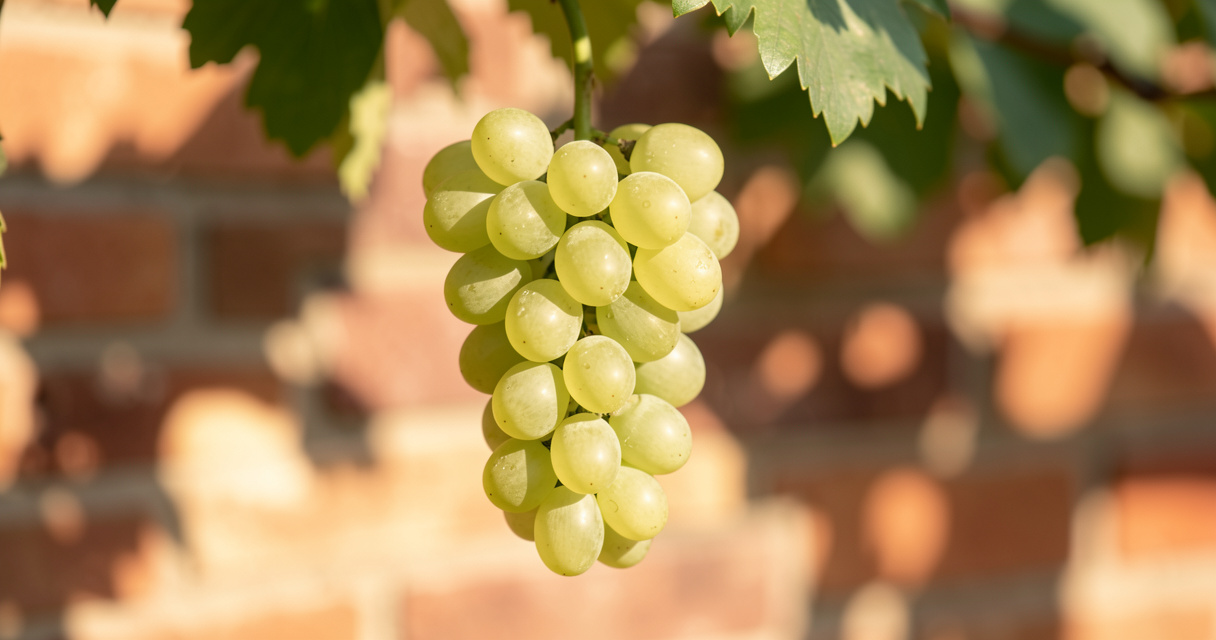
Let me clear up the first confusion. There is no wild grapevine that simply produces no seeds. A **seedless grape** is the result of a genetic quirk: the berries develop without fully formed, hard seeds — you may find tiny soft traces, but nothing you notice when eating. That trait has been selected over generations of breeding, and it exists across white, pink and blue-black cultivars alike.
What most people get wrong is assuming they can buy a generic “seedless grape” and treat it like a shrub. In my experience, each cultivar behaves differently enough that you need to match it to your garden before you buy. Think of it the way the Dutch nursery trade does: a plant label is a promise about climate and timing, not a label about taste.
Choosing the variety: the comparison that matters
At the specialist nurseries where I worked for years, customers almost always asked the same question first — white or blue. That is the wrong starting point. Here is what I would actually ask.
- Ripening time: an early cultivar in a cool coastal garden is worth more than a famous late one that never ripens. Early vs. late is the single most important comparison for northern European gardens.
- Skin toughness: thin-skinned berries split after autumn rain; thicker-skinned cultivars cope far better in an average Dutch summer.
- Disease pressure: downy mildew and powdery mildew are real in wet seasons. Some cultivars hold up much better, and your local nursery will know which ones perform in your region.
- Berry size and flavour: small berries with good sugar content beat large, watery ones every year, in my experience.
Don’t overthink it, but do ask for a cultivar that is proven near you. A plant that works in a greenhouse in Limburg is not automatically a plant that works against a north-facing brick wall in Haarlem.
The right place: sun, shelter, soil
Here’s what I’d do before anything else: watch your garden for a day and find the warmest sheltered wall you have, ideally facing south or southwest. A grapevine against that wall gets reflected heat, less wind and better ripening. On an open, windy spot it will grow — vines are vigorous — but the fruit will arrive late and often acidic.
Soil matters less than drainage. Grapes tolerate poor, stony ground well and dislike cold, waterlogged roots. My grandmother taught me that a vine sitting in wet clay will sulk for years while telling you nothing except through yellowing leaves and weak growth. The plant will tell you — you just have to look.
If your garden has no warm wall, you can still grow seedless grapes, but choose an early cultivar and accept a smaller harvest. Honest advice, not the glossy kind: that is the reality.
Planting and the first two years
Plant bare-root vines in late autumn or early winter when the soil is still workable — this is standard practice in Dutch nurseries and gives roots time to establish before spring. Set the vine about 30 to 40 centimetres from the wall, angle the stem toward it, and train the first shoot upward along a support.
A common beginner error is fertilising generously and watering constantly in the first year to make the vine “grow faster”. Excess nitrogen pushes soft leafy growth and poor fruit set. Keep the roots mulched, water during dry spells, and let the wood ripen. The aim in year one is a strong, healthy stem — not a jungle.
Pruning: where most gardens go wrong
The single task that separates a productive vine from a leafy screen is winter pruning. Prune when the plant is fully dormant, and be deliberate about the framework you keep. A vine left unpruned for two seasons will produce an enormous amount of shade and very little fruit, because energy goes into wood.
The theory is simple even if the practice asks for patience: you are building a permanent skeleton and cutting back side shoots each winter. What most people get wrong is pruning too timidly, keeping every branch out of anxiety. The plant responds to structure. Give it one.
A realistic word about growing them
Seedless grapes in a garden are not a supermarket product. Expect smaller bunches, uneven ripening in cool summers, and birds that discover your harvest before you do. Netting helps. So does choosing the right cultivar and the warmest spot — which is exactly why the selection section above matters more than any gadget.
But the reward is genuine: a vine that produces sweet berries against a sunlit wall, year after year, with almost no garden input beyond a winter haircut. Start with an early, disease-tolerant cultivar suited to your region. Give it warmth and drainage. Prune it properly. That is the whole secret — the rest, as my grandmother would have said, is weather and luck.

I’ve spent over fifteen years in botanical gardens and nurseries across the Netherlands and Belgium. Now I garden in Haarlem and write what I wish someone had told me sooner. No fluff — just what actually works.