

Reading time: 16 min
Key Takeaways
- Hostas are versatile – Over 6,000 cultivars mean there is a hosta for every shady corner, from miniature pots to giant ground covers.
- Choose wisely – Match your hosta to light, soil, and pest pressure; slug-resistant and sun-tolerant varieties exist to expand your options.
- Care is simple but specific – Consistent moisture, balanced feeding, and annual division keep hostas healthy and vigorous for decades.
- Think beyond the garden – Hostas thrive indoors and in containers, bringing that lush woodland feel to patios, bathrooms, and offices.
Imagine walking through a woodland garden in midsummer – under the canopy, a sea of lush green, blue, and gold leaves unfurls, each plant more stunning than the last. That is the magic of hostas. Yet many gardeners feel intimidated by the thousands of hosta varieties and worry constantly about slugs. What most people get wrong is that hostas are far tougher than their reputation suggests. With the right knowledge – which I have gathered over twelve years of working with botanical gardens and nurseries across the Netherlands – hosta care becomes a pleasure, not a chore. Let me show you what actually works.
What Are Hostas? A Brief History and Overview
Hostas belong to the family Asparagaceae – a fact that surprises most gardeners. They are llilioid monocots, native to northeast Asia, China, Japan, and Korea. The first specimens reached Europe in the late 18th century, brought by plant collectors such as Philipp Franz von Siebold, a German physician who introduced many Japanese plants to the West. Today, according to the South Dakota State University Extension (Schnabel & Lang, 2020), there are over 6,000 registered hosta cultivars – a staggering number for a plant that thrives best in shade.
Taxonomy and Native Habitat
In the wild, hostas grow along forest edges and in moist meadows where dappled light filters through tree canopies. Their rhizomatous root systems allow them to spread slowly, forming dense clumps that suppress weeds. The leaves emerge in spring from a central crown and unfurl in a spiral pattern. In my experience, the best way to understand hostas is to observe how they behave in their native habitat: they are not aggressive invaders, but patient colonisers. That patience is what makes them so rewarding in the garden.
Why Hostas Became a Shade Garden Staple
Hostas became popular in Victorian England and later in the United States because they solved one of the most persistent gardening challenges: what to plant in dry, deep shade under trees. No other shade-tolerant perennial offers the same array of foliage colours – from glaucous blue to chartreuse gold – or the same textural contrast. Their ability to thrive with minimal care earned them the nickname “the lazy gardener’s dream.” But do not underestimate them. In the right conditions, a mature hosta can be the star of the garden.
| Quick Facts | Details |
|---|---|
| Genus | Hosta (formerly Funkia) |
| Family | Asparagaceae (subfamily Agavoideae) |
| Native range | Northeast Asia (China, Japan, Korea, Russia) |
| USDA hardiness zones | 3–8 (some to 9) |
| Total cultivars | >6,000 (SDSU Extension, 2020) |
With that background, you can see why hostas are not just filler plants. They are the backbone of any well-designed shade border. Next, we will look at how to navigate the overwhelming world of hosta varieties so you can pick the perfect one for your space.
Choosing the Right Hosta Variety for Your Garden
With over 6,000 cultivars, shopping for hostas can feel like standing in front of a giant paint swatch with no name tags. Don’t overthink it. In my experience, the best approach is to narrow down by size, colour, and sun tolerance. I spent years at a specialist nursery in Limburg where we grew more than 300 varieties, and I learned that most people get wrong by picking a hosta based on leaf colour alone – ignoring how big it will get and whether it can handle morning sun. Here is how to choose wisely.
Size Categories: Miniature to Giant
Hostas are grouped by size: miniature (under 15 cm tall and wide), small (15–30 cm), medium (30–60 cm), large (60–90 cm), and giant (over 90 cm). A miniature like ‘Blue Mouse Ears’ stays neat in a container, while a giant like ‘Empress Wu’ can dominate a 2-metre bed. Always check the mature spread – a hosta that outgrows its space becomes a maintenance headache. The plant will tell you if it is unhappy: stunted growth or leaves that do not reach their full size mean it needs more room or better soil.
Color and Variegation Patterns
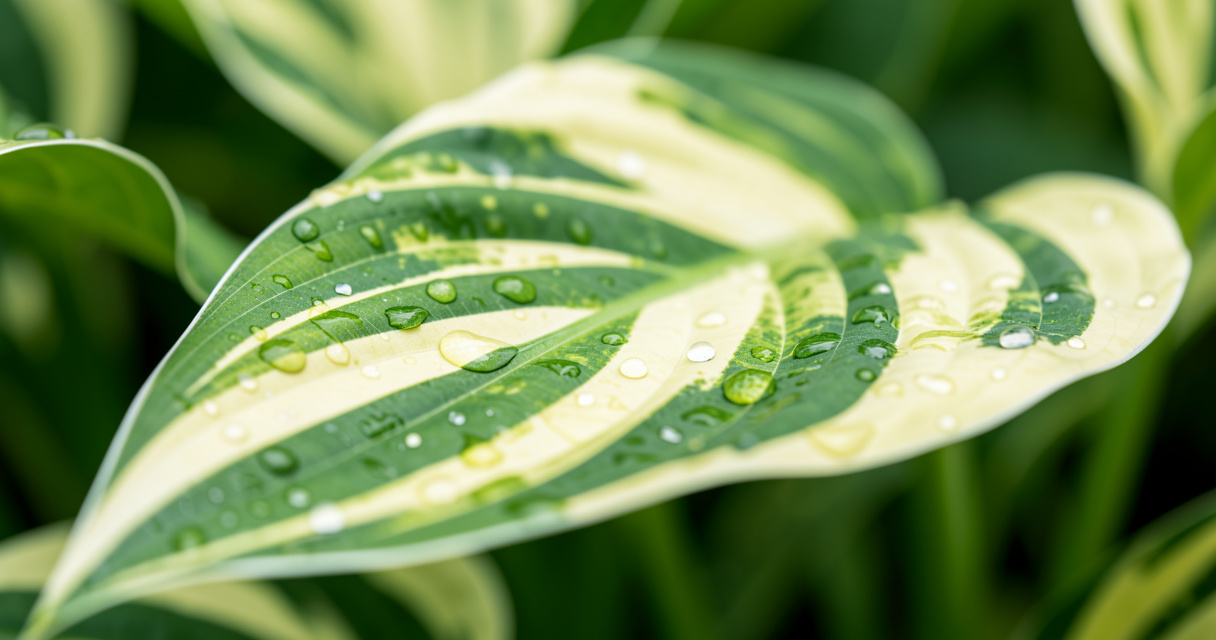
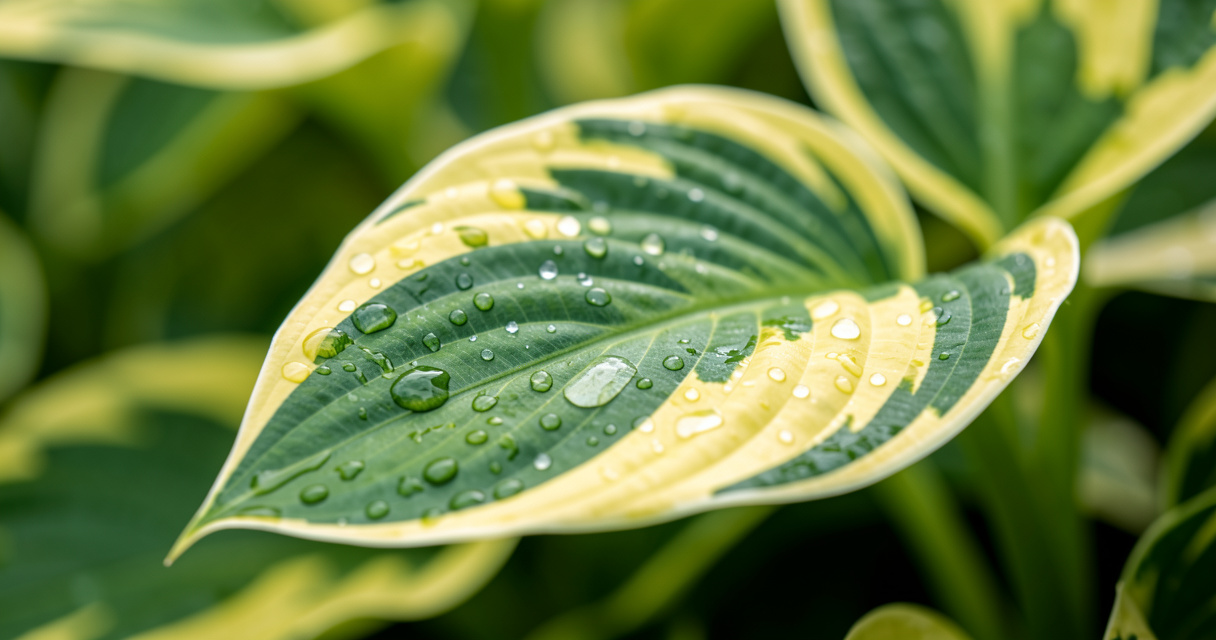
Leaf colours range from deep blue (actually a glaucous wax coating) through green, chartreuse, gold, and variegated combinations. Variegation can be marginal (white or yellow edges) or central (a lighter centre with green margins). In deep shade, blue hostas hold their colour best; gold varieties need more light to develop their bright hues. If you are planting under a dense tree canopy, stick with greens and blues – they will reward you with the richest tones.
Fragrant and Flowering Hostas
Not all hostas bloom impressively, but some – especially Hosta plantaginea and its hybrids – produce large, fragrant white flowers that open in late summer. These are perfect near a patio or entryway where you can enjoy the scent at dusk. Other varieties like ‘Guacamole’ and ‘Fried Bananas’ also have notable flowers. While hosta blooms are not as showy as those of daylilies, they attract pollinators and add a vertical element with their tall scapes.
Sun-Tolerant Cultivars for Warmer Climates
Can hostas grow in full sun? Yes, but only specific cultivars tolerate it. In warmer climates (USDA zones 7–9), morning sun with afternoon shade is ideal. Sun-tolerant varieties include ‘Sum and Substance’, ‘August Moon’, ‘Sun Power’, and ‘Fire Island’. These have thicker leaves with a waxy cuticle that resists scorch. Heat zones 8 to 1 are recommended by Wikipedia (2024) for hostas, meaning they can handle some warmth if given enough moisture. If you see leaf scorch (brown, crispy edges), move the plant to deeper shade or water more consistently.
| Variety | Size | Leaf Color | Sun Tolerance | Slug Resistance | Bloom Time | Zones |
|---|---|---|---|---|---|---|
| ‘Blue Mouse Ears’ | Miniature | Blue-green | Partial | Moderate | July | 3–9 |
| ‘Francee’ | Medium | Green with white edge | Partial | Good | July–August | 3–8 |
| ‘Guacamole’ | Large | Chartreuse with blue edge | Partial to sun | Moderate | August (fragrant) | 3–9 |
| ‘Sum and Substance’ | Giant | Gold-green | Sun-tolerant | Moderate | July | 3–9 |
| ‘Patriot’ | Medium | Dark green with white edge | Partial | Good | July | 3–8 |
| ‘Empress Wu’ | Giant | Deep green | Partial | Moderate | July | 3–8 |
| ‘June’ | Small | Gold centre with blue edge | Partial | Moderate | July | 3–8 |
| ‘Stained Glass’ | Large | Gold with green margin | Partial to sun | Moderate | August (fragrant) | 3–9 |
| ‘Wide Brim’ | Medium | Green with creamy edge | Partial | Good | July | 3–8 |
| ‘Blue Angel’ | Giant | Blue-grey | Partial | Moderate | July–August | 3–8 |
Once you have your variety picked, the next step is proper planting. Let me walk you through what I have learned from planting thousands of hostas over the years.
Planting Hostas: Soil, Timing, and Spacing
Preparing the Planting Hole
Soil preparation is everything. Hostas like rich, slightly acidic soil with a pH between 6.0 and 7.0. In my own garden in Haarlem – which started as compacted clay – I dig each hole at least 12 inches deep and mix in a generous amount of well-rotted compost or leaf mould. If your soil is heavy clay, add coarse sand or grit to improve drainage. Hosta soil requirements are simple: moist but not waterlogged, and full of organic matter. My grandmother taught me that a happy hosta starts with the soil, not the plant.
Planting Bare-Root vs. Potted Hostas
Bare-root hostas (sold in spring) need to be soaked in water for an hour before planting. Spread the roots out in the hole and place the crown so that it sits at soil level – too deep and it rots, too shallow and it dries out. Potted hostas can be planted any time from spring to early autumn, but spring is best so they have time to establish before heat. Water thoroughly after planting and add a 2–3 cm layer of mulch, keeping it away from the crown. Martha Stewart, who planted 700 hostas at her Bedford farm in 2023, swears by this method and calls the first year “sleep, creep, leap” – meaning the first year the hosta sleeps (establishes roots), the second year it creeps (puts out new shoots), and the third year it leaps into maturity.
Spacing Guidelines for Different Sizes
Crowded hostas lead to poor air circulation, more disease, and less impressive foliage. Spacing should reflect mature size: miniature hostas need 20 cm apart, small 30 cm, medium 50 cm, large 70 cm, and giant at least 90 cm. If you are impatient, you can plant closer and divide earlier – but trust me, giving them room from the start saves work later. The plant will tell you: if leaves overlap and start to yellow, it is time to divide.
Planting checklist:
- Dig hole 12 inches (30 cm) deep and twice as wide.
- Mix 1 part compost with 2 parts native soil.
- Place crown at soil level (not below).
- Backfill gently, water thoroughly.
- Apply 2–3 cm organic mulch, keeping it off the crown.
Tip: Remember Martha Stewart’s “sleep, creep, leap” – be patient the first year. Your hosta is working underground.
Now that your hostas are in the ground, the real work begins – but do not worry, it is mostly about observing and fine-tuning. Let us talk about daily care.
Hosta Care Essentials: Watering, Fertilizing, and Mulching
Five-Step Hosta Care Routine (Featured Snippet)
- Water hostas 1 inch (2.5 cm) per week during the growing season, using soaker hoses to avoid wet foliage.
- Apply a balanced 10-10-10 fertilizer in early spring before new growth emerges.
- Mulch with 2–3 inches (5–8 cm) of shredded bark or compost to retain moisture and suppress weeds.
- Remove spent flower scapes after bloom to direct energy back to leaves.
- Cut back foliage in late fall after frost to reduce pest overwintering.
Watering Best Practices
Consistent moisture is key. In my experience, erratic watering leads to leaf tip burn and makes hostas more susceptible to slug damage. How often should I water hostas? In normal weather, once a week with a deep soak (1 inch) is enough. In hot, dry spells, increase to twice a week. The best method is soaker hoses or drip irrigation placed under the mulch – this keeps water off the leaves, reducing fungal diseases. Overhead watering is the number one mistake I see in home gardens. Warning: Avoid overhead watering to prevent leaf diseases – use soaker hoses instead.
Fertilization Schedule
Hostas are not heavy feeders, but they benefit from a light feeding in early spring as the new shoots emerge. I use a balanced granular fertilizer like 10-10-10 at half the recommended rate – too much nitrogen (the first number) encourages lush leaves that are softer and more attractive to slugs. A second feeding in early summer can boost flowering, but skip it if your hostas are already large and healthy. Organic compost applied as a top dressing in spring works just as well and feeds the soil biology.
Mulching and Winter Protection
A 2–3 inch layer of shredded bark or leaf compost keeps the soil cool and moist, suppresses weeds, and gradually improves soil structure. In colder zones (USDA 3–5), a extra layer of mulch after the ground freezes protects the crown from freeze-thaw cycles. Do not use fresh manure or high-nitrogen mulches. In spring, pull the mulch back slightly from the crown to allow new shoots to emerge. Hostas are winter hardy in USDA Zones 3 to 8 according to Wikipedia (2024), so with proper mulch they survive most winters without issue.
With consistent care, your hostas will thrive. But sooner or later, you will face pests and diseases. Here is how I handle the most common troublemakers.
Dealing with Common Pests and Diseases of Hostas
Slug and Snail Control (Copper Tape, Beer Traps, Nematodes)
Slugs are the number one enemy of hostas. What most people get wrong is they only react after damage appears. Prevention is far more effective. In my nursery days, we relied on an integrated approach. Start with slug resistant hostas like ‘Francee’, ‘Patriot’, or ‘Blue Mouse Ears’, which have thicker leaves. For existing beds, apply copper tape around pots or raised beds – slugs get a mild electric shock when they touch it. Beer traps (a shallow dish of beer sunk into the soil) catch adults, but they must be refreshed weekly. The most sustainable solution I have found is nematodes (Phasmarhabditis hermaphrodita), which are microscopic worms that parasitise slugs. Apply them in spring and again in autumn when the soil is moist and above 5°C. They are safe for pets, children, and beneficial insects.
Deer and Rabbit Deterrents
Are hostas deer resistant? No, deer consider hostas a delicacy. Rabbits will also nibble young shoots. In my experience, the most effective deterrent is physical fencing – even a 1.2 m wire fence can keep deer out of a small garden. Repellent sprays (garlic oil, putrescent egg solids) work if reapplied after rain. Some varieties are less palatable to deer, such as ‘Blue Angel’ and ‘Sum and Substance’, because of their thicker, waxier leaves. If you live in an area with high deer pressure, choose these varieties and combine with a spray program during the growing season.
Viral and Fungal Diseases
Hosta virus X (HVX) is a disease that causes mottling, distortion, and stunted growth. It spreads through sap on tools and hands. There is no cure – infected plants must be removed and destroyed. How to revive a dying hosta? First, check for HVX: if the leaves show unusual patterns (not the normal variegation) and the plant looks weak, isolate it and have it tested by a local extension service. Powdery mildew appears as a white coating on leaves in humid conditions. Improve air circulation by spacing plants properly and removing affected leaves. Fungal leaf spot (brown spots with yellow halos) can be managed by avoiding overhead watering and removing infected foliage. In all cases, the best prevention is healthy, well-spaced plants with good air flow.
Integrated Pest Management Summary
| Issue | Symptoms | Prevention | Treatment |
|---|---|---|---|
| Slugs / Snails | Irregular holes in leaves, slime trails | Copper tape, slug-resistant varieties, reduce mulch depth | Beer traps, nematodes, iron phosphate bait |
| Deer / Rabbits | Entire leaves or shoots bitten off | Fencing, repellent sprays, thick-leaved varieties | Repeat repellents after rain; install motion-activated sprinkler |
| Hosta Virus X | Mottling, distortion, stunting | Disinfect tools between plants; buy certified virus-indexed stock | Remove and destroy infected plants; do not compost |
| Powdery Mildew | White powdery coating on leaves | Good air circulation, avoid overhead watering | Neem oil or sulfur spray; remove affected leaves |
| Leaf Scorch | Brown crispy edges, especially on yellow varieties | Plant in appropriate light, consistent watering | Move to shadier spot, mulch deeply, water regularly |
A gardener I once worked with saved her entire hosta collection from HVX by implementing a strict quarantine protocol for all new plants – keeping them isolated for a month before introducing them to the main garden. That simple habit has protected my own collection for years. Now, let us look at how to multiply your hostas so you can fill your garden or share with friends.
Propagating Hostas: How to Divide and Multiply Your Collection
When and Why to Divide Hostas
Division is the primary method of propagation, and it serves two purposes: it rejuvenates older clumps and gives you free plants. The best time to divide hostas is early spring (just as the new shoots appear, often called “pencil shoot” stage) or early autumn (six weeks before the first frost). Division in spring allows the plant to recover and establish roots before summer heat. Why divide? After 3–5 years, a clump becomes congested: the centre may die out, leaves get smaller, and flowering decreases. Dividing restores vigour. Can I grow hostas from seed? Yes, but seedlings are not true to the parent and take years to reach a decent size – division is far more reliable for maintaining cultivars.
Step-by-Step Division Process
- Lift the entire clump with a garden fork, inserting it deep to avoid damaging roots.
- Wash off excess soil so you can see the natural separations (rhizomes).
- Identify sections with at least 2–3 growing points (eyes) and a good root system.
- Using a sterilised knife or spade, cut the clump into divisions. Each division should have roots and shoots.
- Trim any long or broken roots.
- Replant at the same depth as the original, water well, and mulch.
Division checklist: lift, wash, identify, cut with sterilized knife, replant, water.
Aftercare for New Divisions
New divisions need extra care for the first few weeks. Water them every second day if the weather is dry, and provide light shade if you are dividing in late spring. Do not fertilise until the following spring – the roots need to establish before being pushed to grow leaves. The divided hosta will follow Martha Stewart’s “sleep, creep, leap” pattern again, so be patient. In my experience, a well-divided hosta will be back to full size within two years.
Now that you have a healthy collection, let’s talk about how to use hostas as design elements – because they are more than just ground cover.
Designing with Hostas in Landscapes and Containers
Using Hostas as Ground Cover and Erosion Control
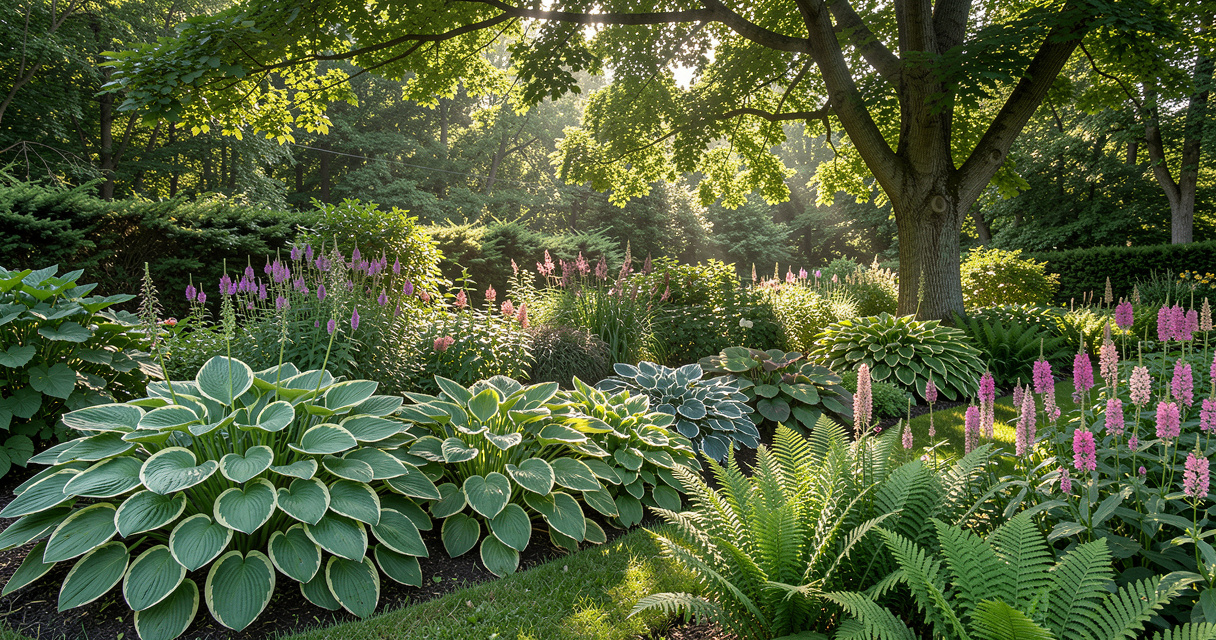
Large hostas like ‘Empress Wu’ or ‘Blue Angel’ create a dense mat of leaves that suppresses weeds and stabilises soil on slopes. In my own garden, I used a sweep of ‘Sum and Substance’ on a shady bank where nothing else would grow – it transformed the space in two seasons. For a woodland garden, plant hostas in drifts of varying sizes, mimicking a natural understory. The key is to repeat varieties in odd numbers for a cohesive look.
Container Growing for Patios and Indoors
Growing hostas in containers opens up a world of possibilities. I keep a collection of miniature hostas in ceramic pots on my patio in Haarlem – they add a lush, cool feel to the small space. Choose a pot with drainage holes, at least 20 cm deep for miniatures and 40 cm for larger ones. Use a high-quality potting mix blended with compost. In containers, hostas need more frequent watering – sometimes daily in summer – and a light feed every month with a diluted liquid fertiliser. Hosta companion plants for shade gardens like ferns, heucheras, and astilbes combine beautifully in mixed container arrangements.
Companion Planting Ideas
The best companions for hostas share similar moisture and shade requirements. Think ferns (Dryopteris, Polystichum) for delicate texture, heucheras for contrasting leaf colours, astilbes for plumes of flowers, and bleeding hearts (Dicentra) for early spring interest. Avoid aggressive spreaders like certain grasses or mint that will compete. In my experience, a combination of hostas, hakonechloa (Japanese forest grass), and lady ferns creates a stunning tapestry of greens that lasts all season. The plant will tell you when it is happy – the leaves will be firm, glossy, and full of colour.
Martha Stewart’s transformation of her Bedford garden – planting 700 hostas of varieties like ‘Wide Brim’, ‘Francee’, ‘Regal Splendor’, ‘Elegans’, and ‘Blue Angel’ over three years (Martha Stewart Blog, 2023) – is a perfect example. She started small, divided clumps, and gradually expanded. That is the sustainable way to design with hostas.
But hostas are not just for the garden. Have you considered bringing them inside?
Indoor Hostas: Bringing Shade-Loving Foliage Inside
Yes, you can grow hostas indoors. In my Haarlem apartment, I have a ‘Blue Mouse Ears’ on my bathroom windowsill that thrives with nothing but indirect light and occasional watering. This is an underappreciated use of hostas that fills a niche for low-light houseplants.
Best Varieties for Indoor Growing
Choose miniature or small varieties with compact growth habits. ‘Blue Mouse Ears’, ‘Mighty Mouse’, ‘Praying Hands’, and ‘Dragon Tails’ all stay small and adapt to indoor conditions. Avoid giant varieties that will quickly outgrow pots.
Light, Water, and Humidity Requirements
Hostas are shade-tolerant perennials even indoors – they need bright indirect light but no direct sun. A north-facing window or a spot a metre away from an east window works perfectly. Water only when the top 2 cm of soil feels dry – overwatering is the fastest way to kill an indoor hosta. In winter, reduce watering to once every two weeks. They appreciate humidity, so place the pot on a pebble tray with water or mist occasionally. Indoor hosta care is simple: treat them like a peace lily but with less water.
Seasonal Care and Dormancy
Hostas need a cool dormant period to reset. If you keep them indoors year-round, they may decline. The best approach is to move the pot to a cool, dark spot (like a basement or unheated garage) for 8–10 weeks in winter, watering very sparingly. In spring, bring it back to light and resume normal watering. This mimics their natural cycle and keeps them vigorous. Some gardeners skip dormancy and the plant survives but may not thrive. Did you know? The Japanese name for hosta is gibōshi, often used in indoor ikebana arrangements for its elegant foliage.
From windowsill to woodland, hostas truly are the plants that keep giving. Now, I will answer the most common questions I still hear from gardeners every year.
Frequently Asked Questions
Do hostas need full shade?
Hostas prefer dappled or partial shade, but many can tolerate morning sun. Deep shade reduces flowering but foliage thrives. Sun-tolerant cultivars exist for brighter spots.
How often should I water hostas?
Water 1 inch per week during the growing season. Increase in hot, dry weather. Use soaker hoses or drip irrigation to avoid wet foliage and prevent leaf diseases.
Are hostas deer resistant?
No, deer often eat hostas. Use repellents (deer spray, garlic, soap) or plant resistant varieties like Hosta ‘Blue Mouse Ears’ or fragrant types. Fencing is most effective.
Can hostas be grown indoors?
Yes, hostas make excellent houseplants in low-light conditions. Choose miniature varieties, use well-draining pots, water sparingly in winter, and provide a cool dormancy period.
When do hostas bloom?
Most hostas bloom in summer (June–August), producing lavender, white, or purple flowers on tall scapes. Some are fragrant, like Hosta plantaginea and its hybrids.
How do I revive a dying hosta?
Check for root rot, pests, or crown damage. Trim dead leaves, improve drainage, treat for slugs, and ensure correct light. If the crown is mushy, the plant may need replacement.
What companion plants go well with hostas?
Ferns, heucheras, astilbes, bleeding hearts, and wild ginger are ideal. They share similar moisture and shade requirements and provide contrasting textures and colors.
Now you have the complete picture: from choosing the right variety to indoor care, from pest management to propagation. Hostas are not just easy – they are an invitation to slow down and observe the quiet beauty of shade. Why not start your own collection today? Visit a local nursery or browse online, pick one that catches your eye, and watch your shade-loving hostas transform your space into a lush paradise.

I’ve spent over fifteen years in botanical gardens and nurseries across the Netherlands and Belgium. Now I garden in Haarlem and write what I wish someone had told me sooner. No fluff — just what actually works.